To develop innovative diagnostic and therapeutic technologies for dry eye disease (DED) through a multidisciplinary approach, paving the way for evidence-based, precision diagnostic modalities for Dry eye disease (DED).
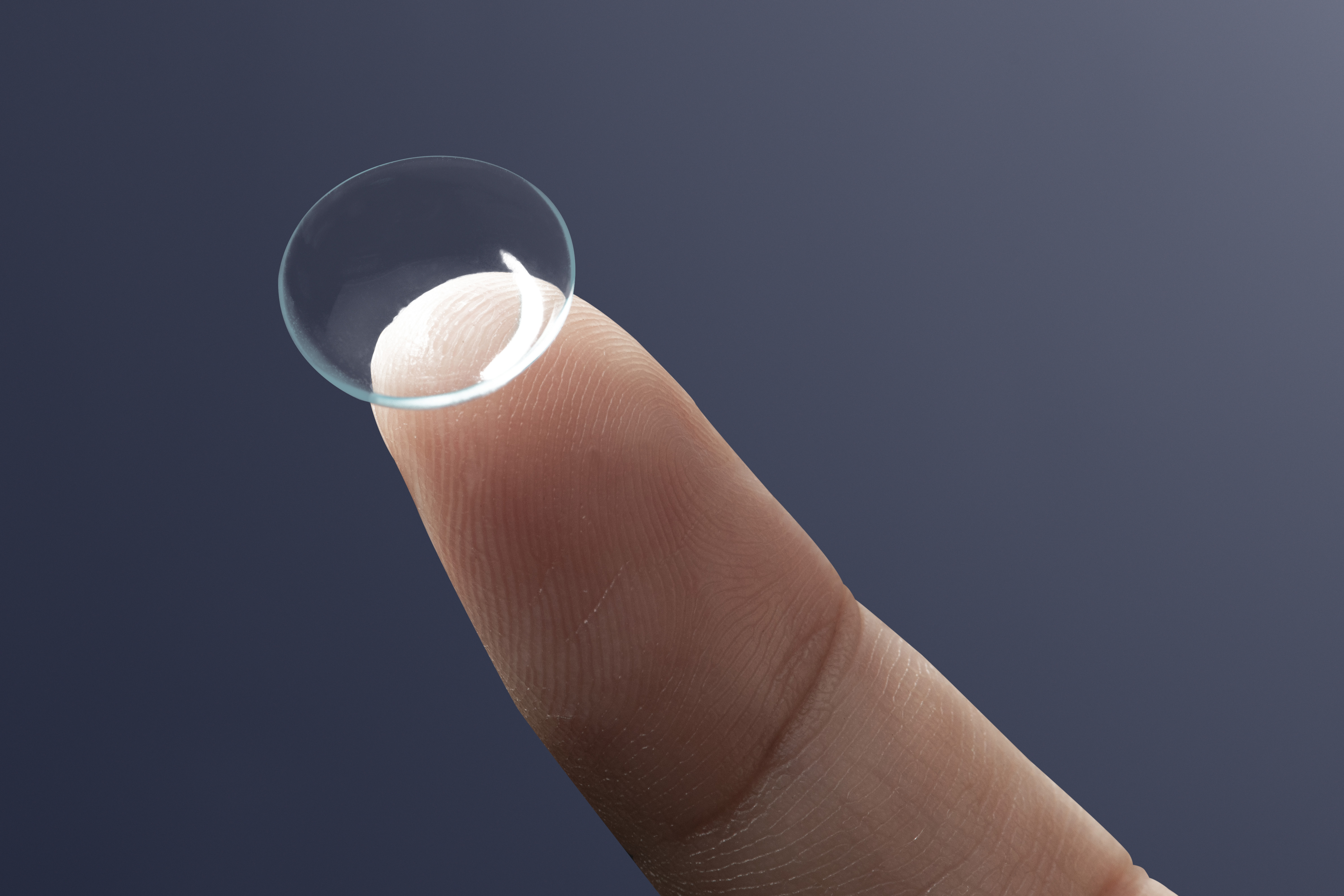
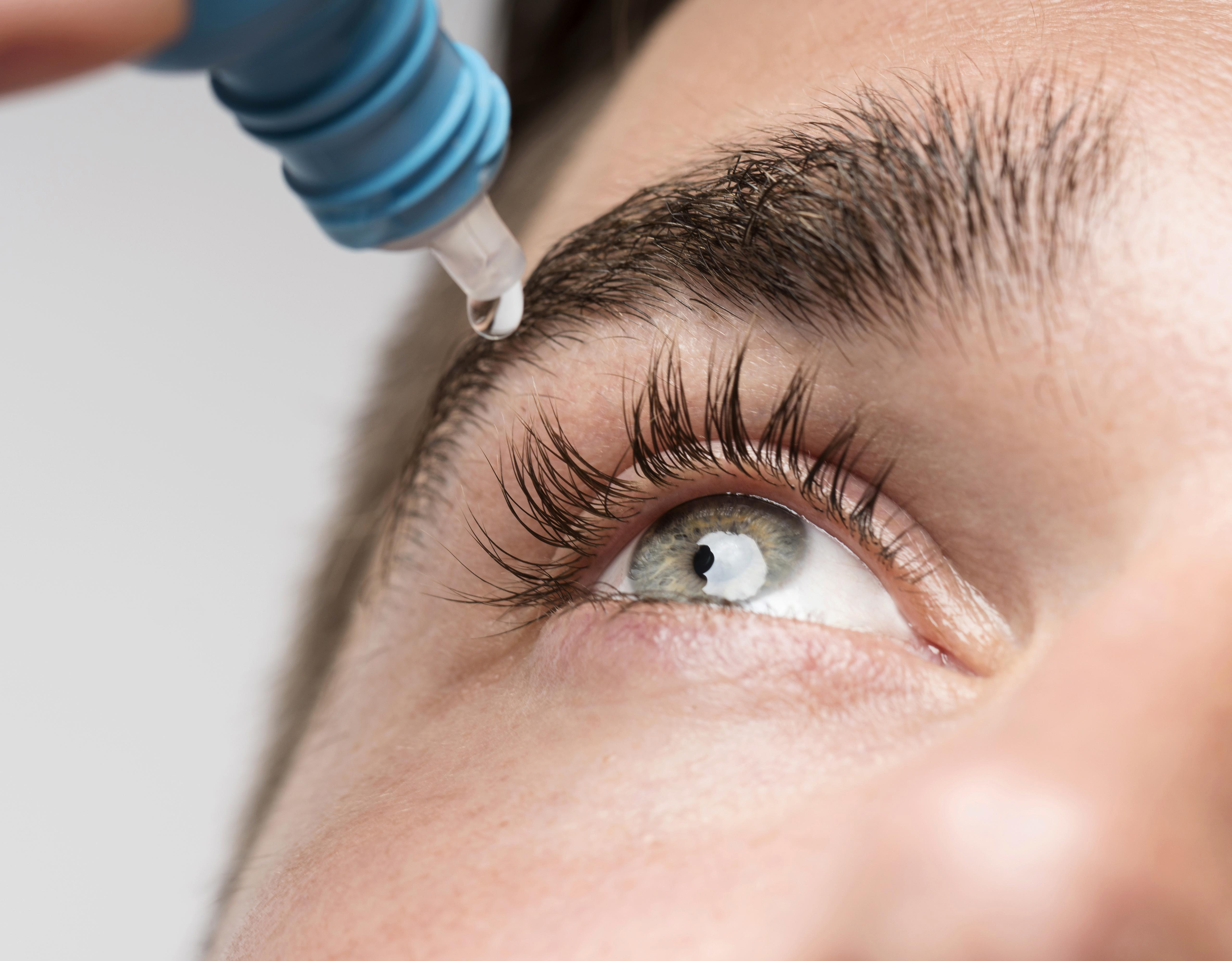
DED is a multifactorial ocular condition that affects up to 50% of the global population. It is not only a debilitating condition that causes eye pain and discomfort, but it also imposes a significant burden on the healthcare system. Although inflammation and oxidative stress are known to play key roles in its etiology, current treatments do not comprehensively target these underlying causes. There is still no effective and specific formulation available to treat the underlying causes of DED with minimal side effects.
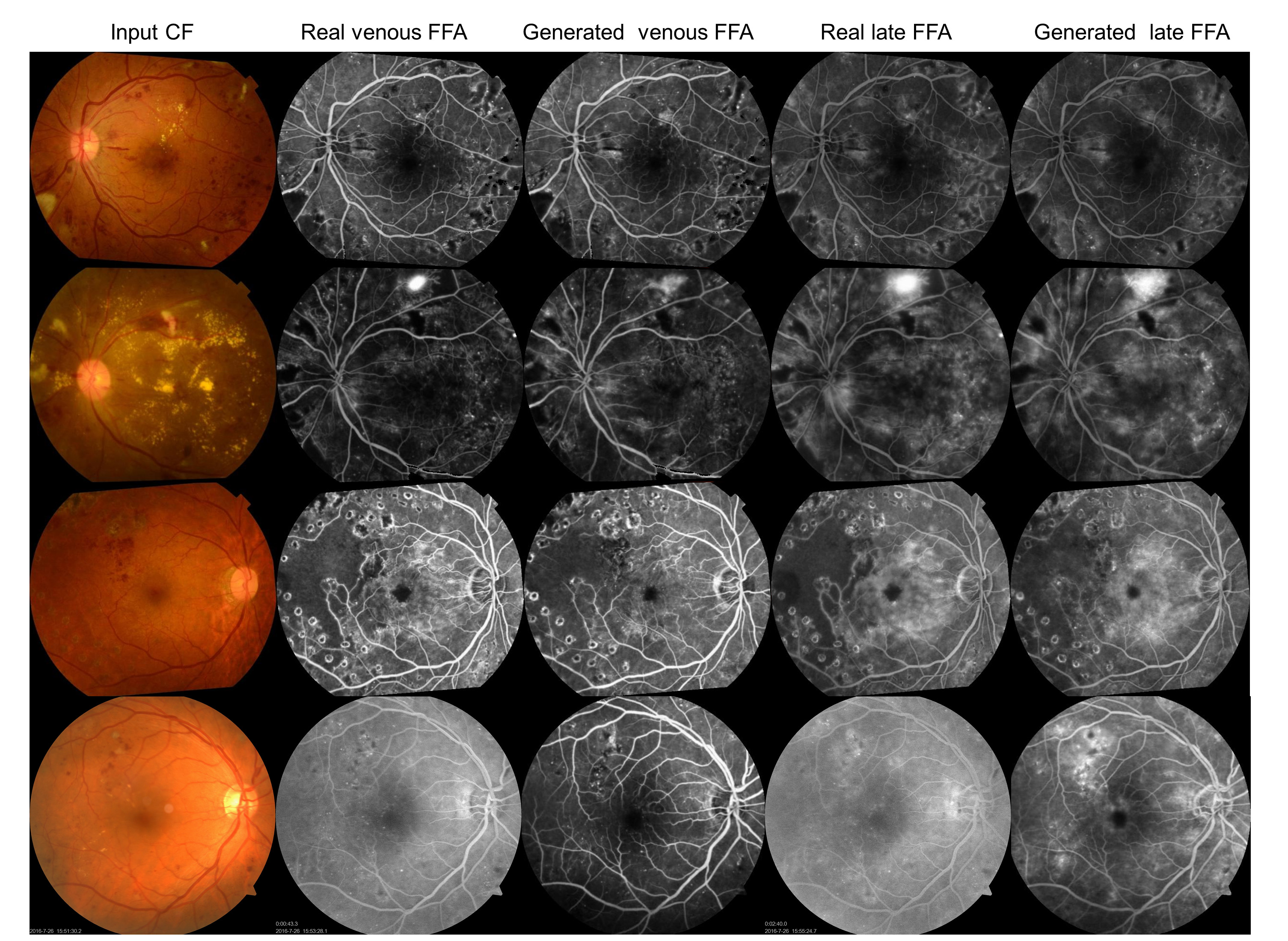
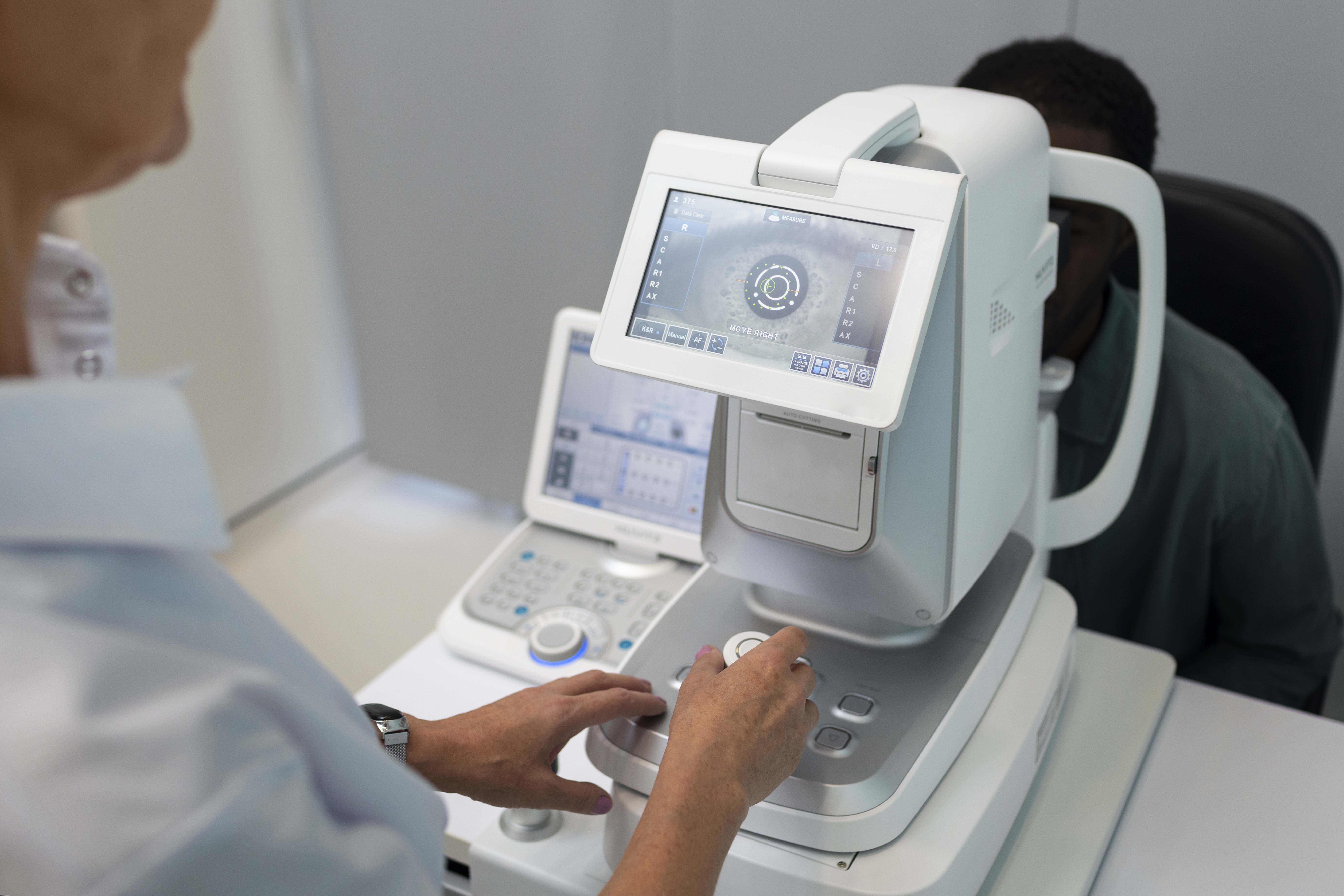
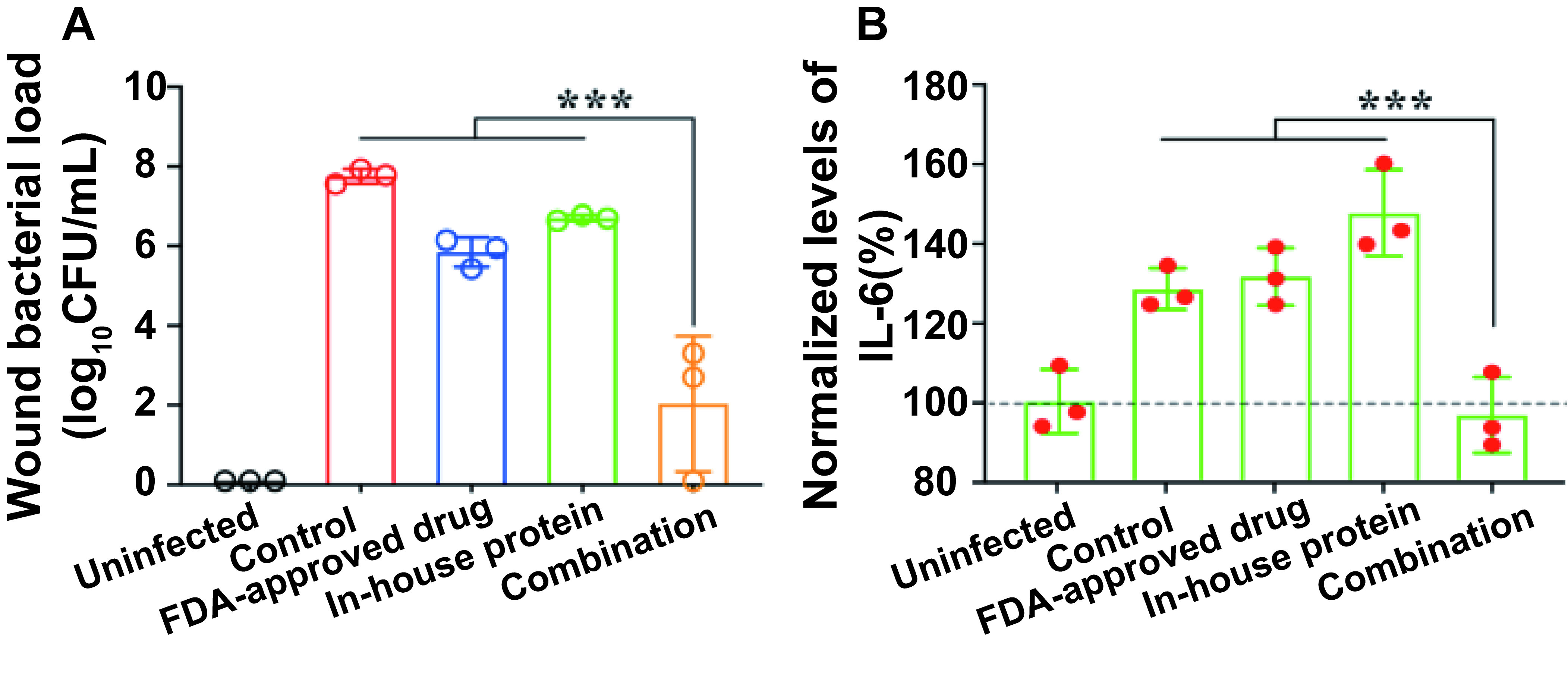
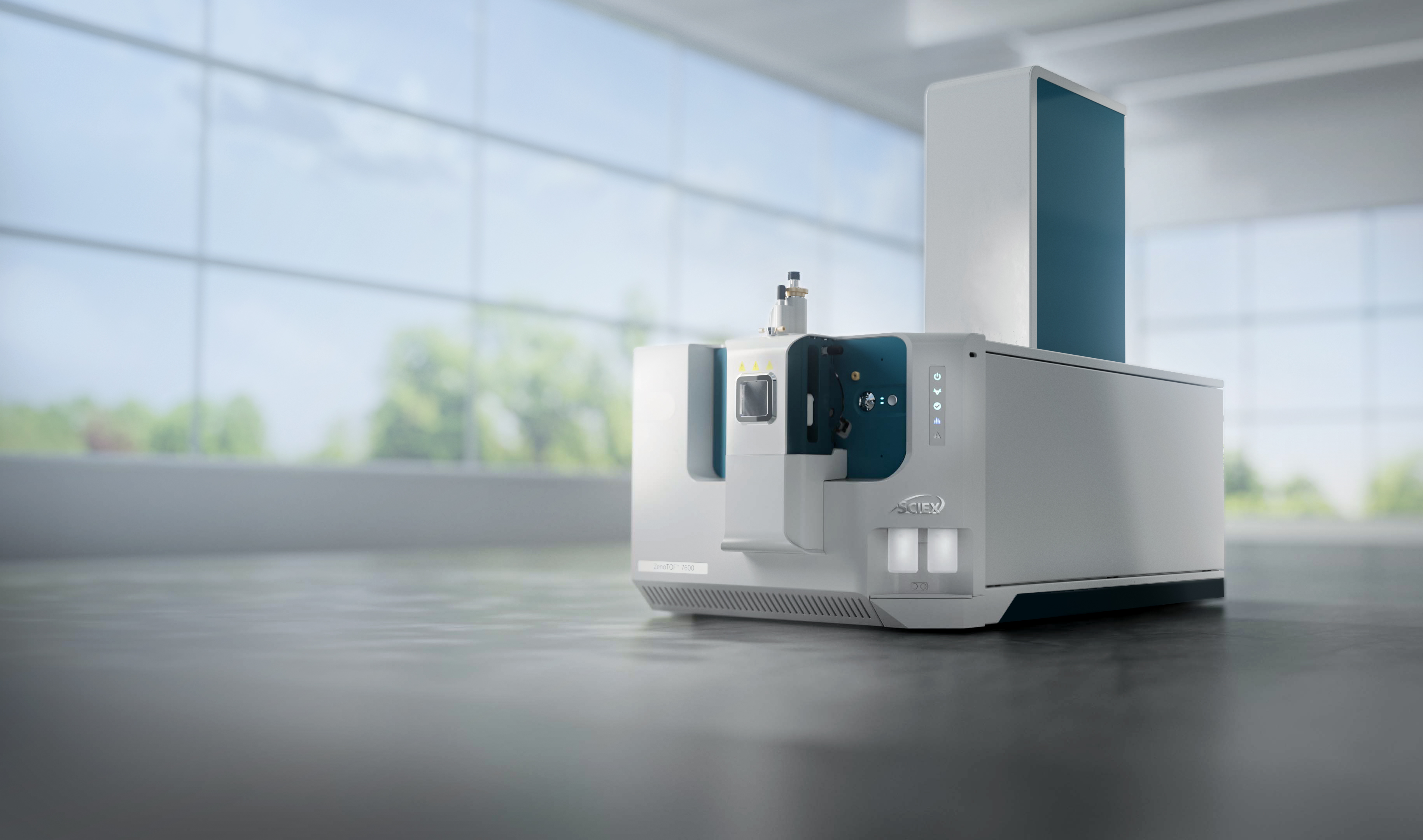
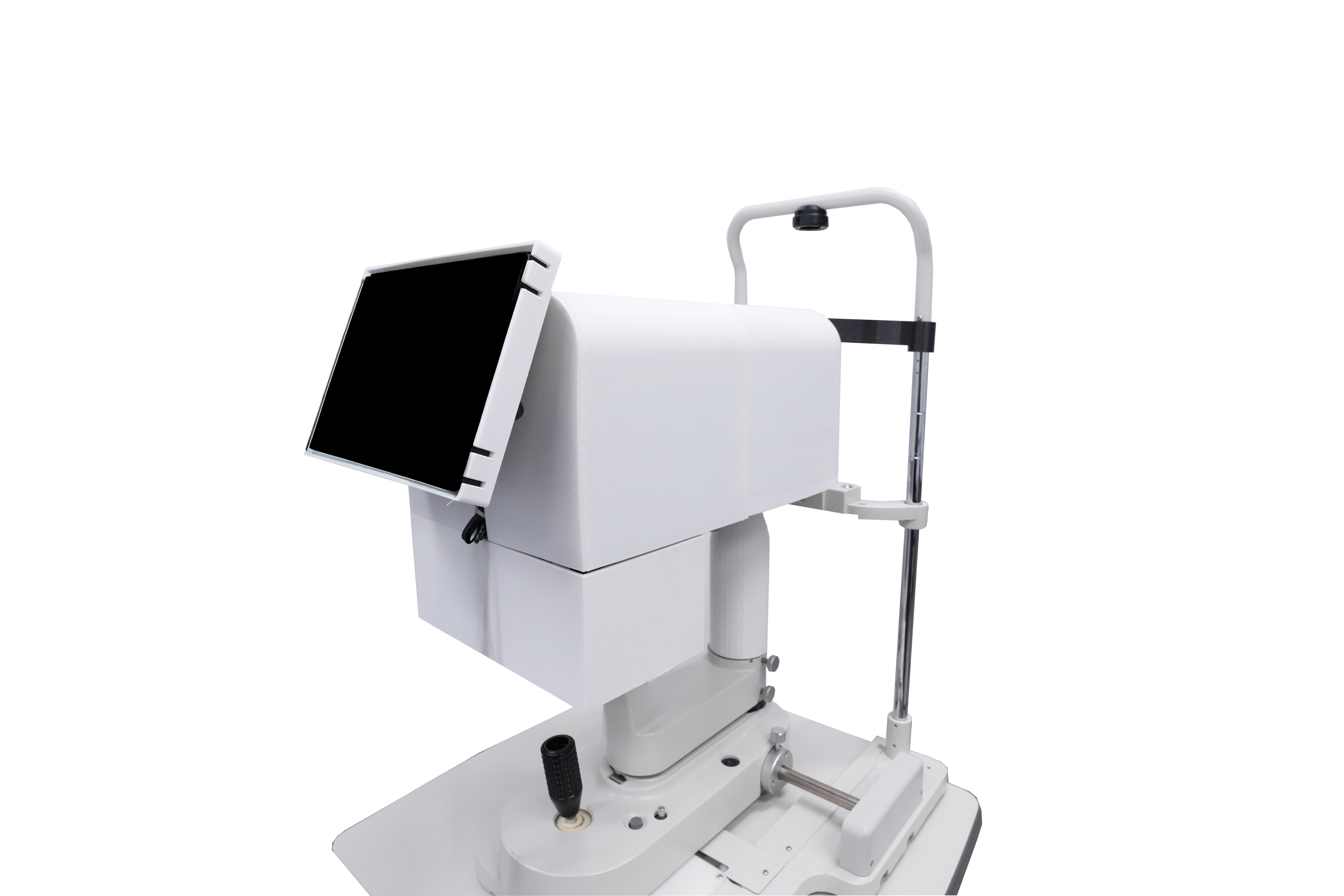
Researchers will advance DED diagnostics and treatment through innovative methods. Molecular diagnostics will employ SNAT2-specific corneal staining with aptamer-based technology to improve accuracy. A portable device featuring AI-assisted clinical diagnosis will be developed using Chinese-specific meibography images. Tear proteomics and lipidomics analysis will identify novel molecules, paving the way for point-of-care panels to monitor disease progression. Treatment research will leverage next-generation mass spectrometry to map nearly 9,000 corneal endothelial cell proteins and establish a mammalian model for DED-induced tear proteome studies to test traditional Chinese medicine (TCM), natural supplements, and light therapy.
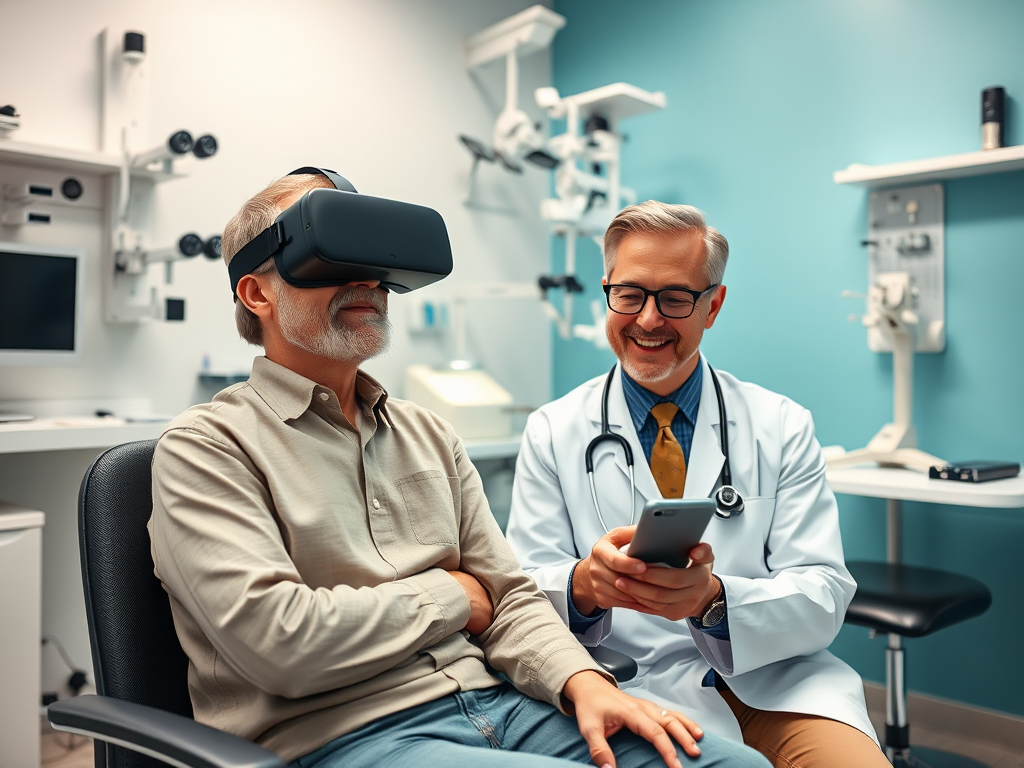
Patients suffering from DED will immediately benefit from improved diagnosis and treatment. The technology will also benefit healthcare professionals seeking improved diagnostic tools and therapies.
The team will closely observe the work plan for Regulatory Innovation and Development of Pharmaceutical and Medical Devices in the Guangdong-Hong Kong-Macao Greater Bay Area and seek approval from regulatory bodies such as the NMPA in China. Improved diagnosis and treatment for DED will benefit patients and healthcare professionals, with regulatory approvals expanding access. Collaboration between universities, research institutions, and pharmaceutical companies will drive innovation, leading to better patient outcomes, enhancing healthcare efficiency and reducing costs through targeted treatments, ultimately lowering the burden of DED.