Our goal is to develop and commercialize XRVIS devices that enhance visual and perceptual assessment and empowering visually impaired individuals with greater environmental awareness. By reducing dependence on traditional navigation aids, XRVIS will improve mobility, independence, and overall quality of life.
Visual impairment significantly impacts daily life, increasing injury risks and affecting physical and mental health. Urban environments further complicate mobility for the visually impaired. Building on the success of ObstAR, we aim to elevate the potential of virtual, extended reality and artificial intelligence for the visually impaired. Our innovative technology will enable personalized augmented reality solutions tailored to everyone’s unique visual needs, transforming accessibility and enhancing daily life.
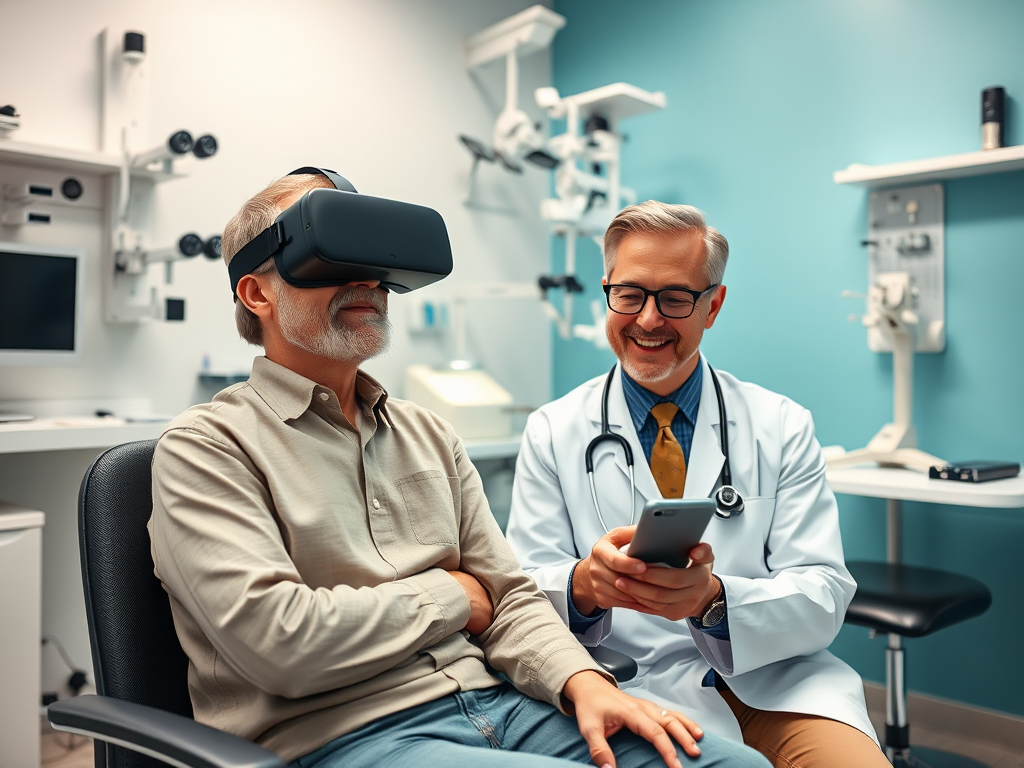
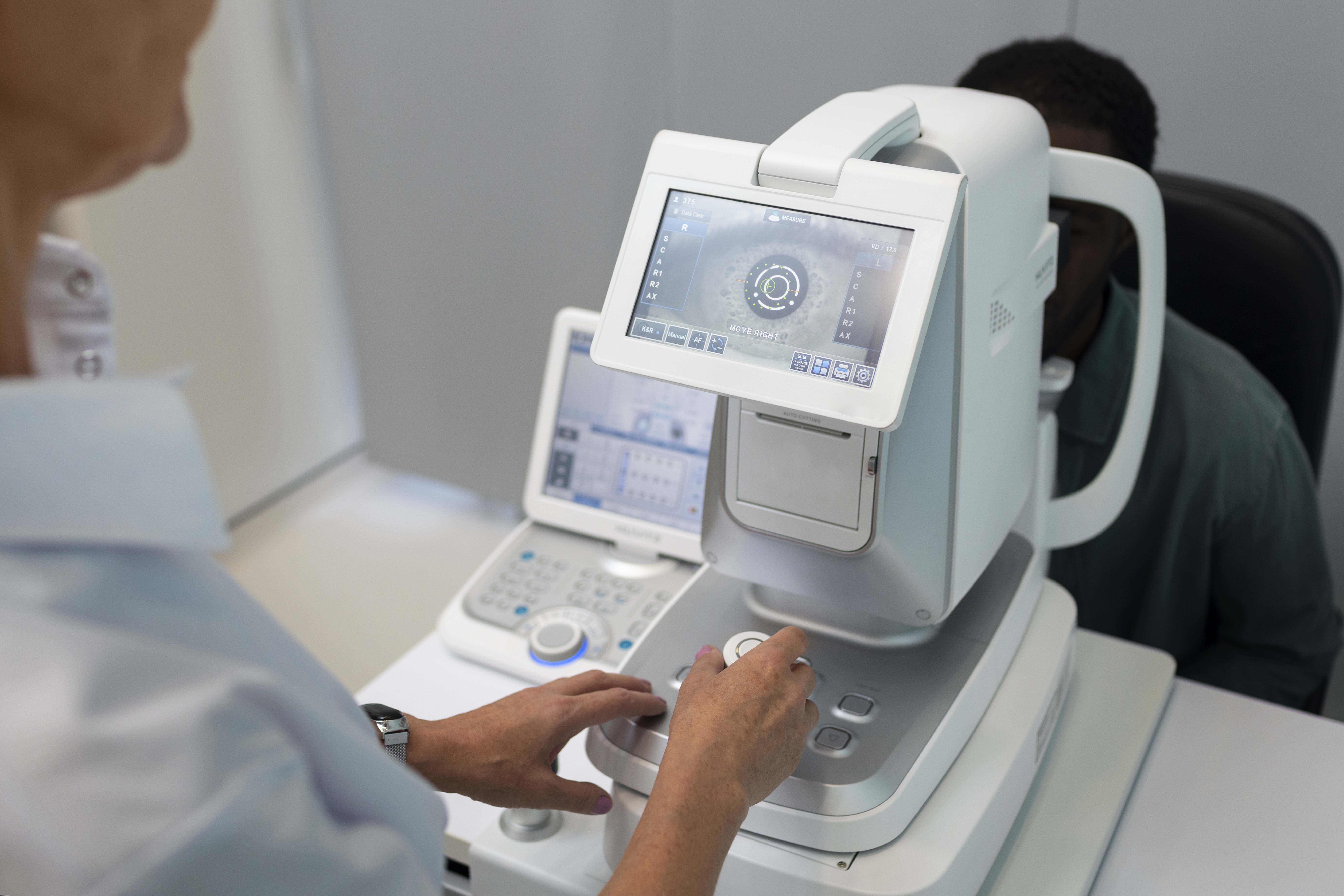
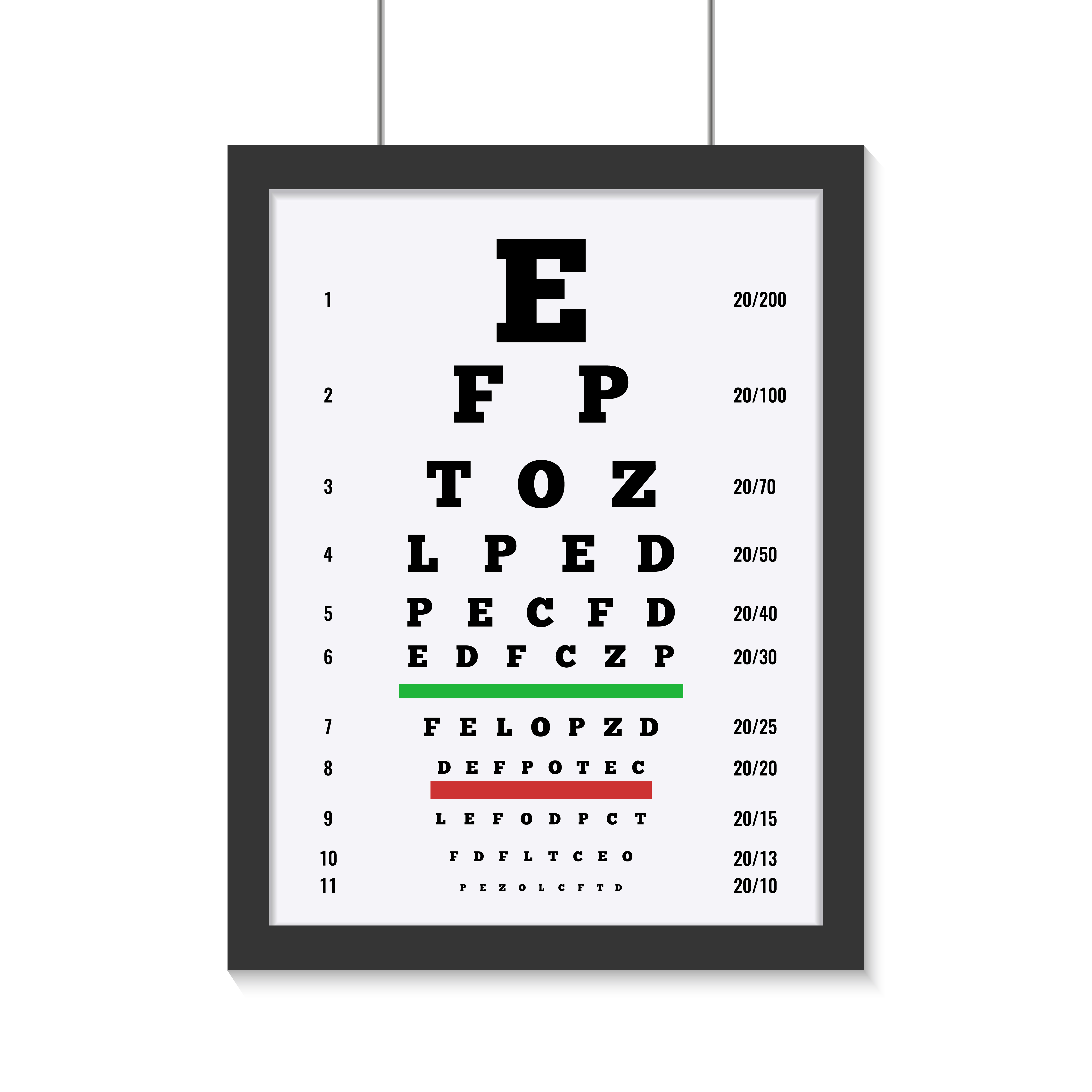
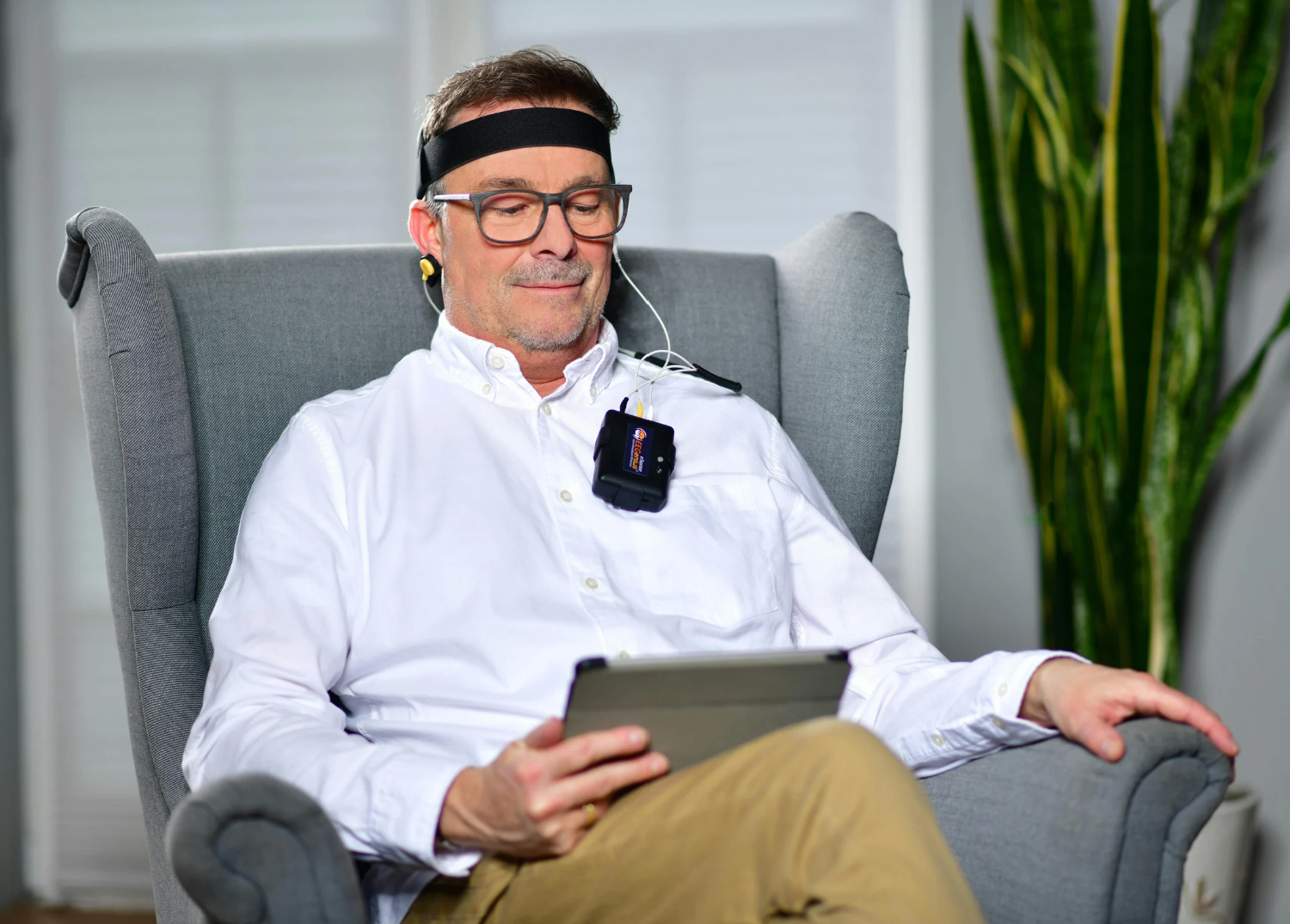
The XRVIS project focuses on developing proprietary algorithms for precise functional vision assessment, object recognition, and obstacle detection, leveraging new visual function data from visually impaired adults to refine AI-driven enhancements. Advanced vision assessment technologies will be translated into a VR format and integrating electroencephalography for objective evaluation. Continuous software refinement will ensure ease of use, personalization, and accessibility, with iterative user testing optimizing functionality. Additionally, a comprehensive training curriculum will be designed to help users navigate XR technology effectively, supporting the adaptation of AR tools for improved mobility and independence. These innovations will enhance vision testing, improve navigation for the visually impaired, and set a new benchmark in extended reality solutions.
The XRVIS technology will empower visually impaired individuals with greater navigation. This will enhance mobility, productivity, and safety while reducing navigation-related accidents. Specialized training programs and user experience enhancements will improve accessibility and inform AR/VR/XR developers, with measurable outcomes including device adoption rates. The expanded software capabilities-including functional vision assessment technologies with EEG integration will enable vision evaluation and treatment referrals benefiting healthcare facilities, rehabilitation centres, and community programs. The XRVIS will extend its impact to individuals with cognitive impairments, contributing to early detection and intervention for neurodegenerative conditions.
To transform the mobility and independence of individuals with visual impairment, fostering greater inclusion and enhancing their overall quality of life. In addition, the development of tele-visual (remote) functional assessments has the potential to enhance eye care services for the community at large by enhancing access to eye care for the public. This scalable solution will benefit millions globally, create jobs, and position Hong Kong as a leader in ophthalmic research and XR technology.