RESEARCH PLATFORM 1

R.P 1.2 Anti-Myopia Electronic Displays: Making Screens Eye-Safe for Children

Anti-Myopia Electronic Displays: Making Screens Eye-Safe for Children

Aims

RP1.2 aims to make digital-device screens that are eye-safe for children by counteracting the screen-based signals that contribute to the onset and progression of myopia.


Background

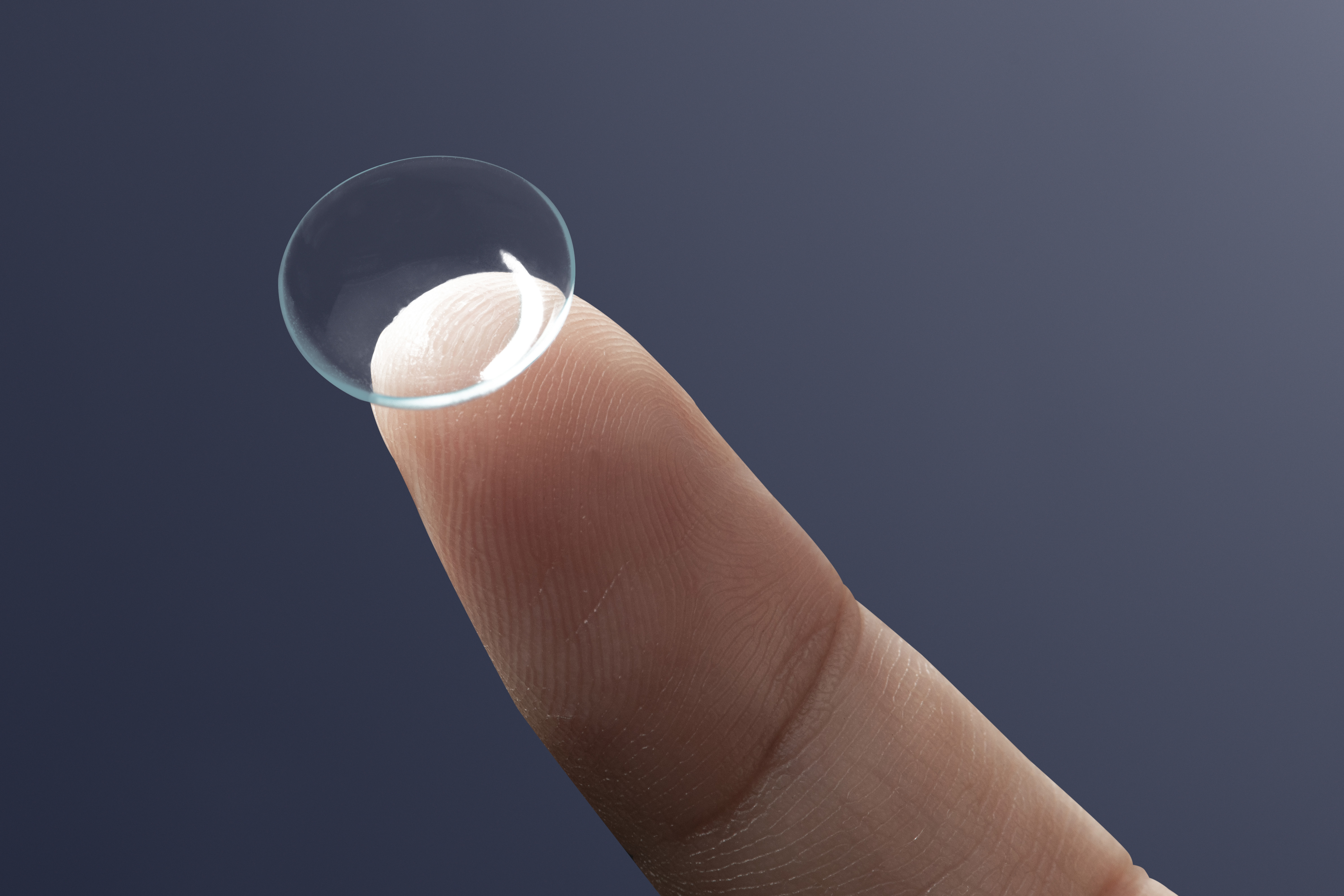
The project foundation lies in the groundbreaking design of anti-myopia lenses that were developed within the PolyU School of Optometry. These lenses blur peripheral (side) vision in a way that significantly reduces the progression of myopia. Specifically, the lenses focus peripheral images in front of the retina causing what is called myopic blur. The patented technology is now being used in over 20 countries, benefiting over 2 million children worldwide.


Work to be Done

Develop two novel, parallel, and complementary technologies that will produce myopic blur when children use digital screens. One technology, simulated myopic defocus, utilizes eye tracking and image processing to therapeutically blur images in real time using only software. This approach will enable anti-myopia algorithms to be switched on and off through software on any device and will be marketed to the general public.


Benefits

Eye-safe screens will reduce myopia risk factors, directly benefiting children in dense urban environments with high digital screen use. Individuals will experience an enhanced quality of life due to the reduced severity of myopia, which not only improves personal well-being but also prevents high myopia-related ocular complications


Impact

Anti-myopia screens can significantly reduce the public health burden by decreasing the prevalence of high myopia and its associated ocular diseases, such as glaucoma and retinal detachment. This leads to a healthier, visually capable, and productive community, as individuals benefit from lifelong prevention of visual loss and maintain a good quality of life. Additionally, the economic burden from reduced work productivity and long-term healthcare costs is lowered, while the public health care system experiences less strain from myopia-related vision impairments.


Learn More About Other Research Projects