Develop a novel approach for recovering vision in children and adults with amblyopia, by targeting higher-level brain mechanisms underpinning visual attention.
Amblyopia is a neurodevelopmental disorder characterised by reduced visual acuity in one or both eyes, significantly impairing visual acuity and 3D vision (stereopsis). Adult amblyopia has been labelled untreatable because neuroplasticity (the brain’s capacity for rewiring and recovery) wanes with age. However, our research group has demonstrated that visual areas of the adult brain retain neuroplasticity, suggesting potential for vision recovery in amblyopia. While visual acuity can be improved, other visual deficits, in particular impaired 3D vision, persist. This project will focus on improving visual attention in amblyopia to recover 3D vision.
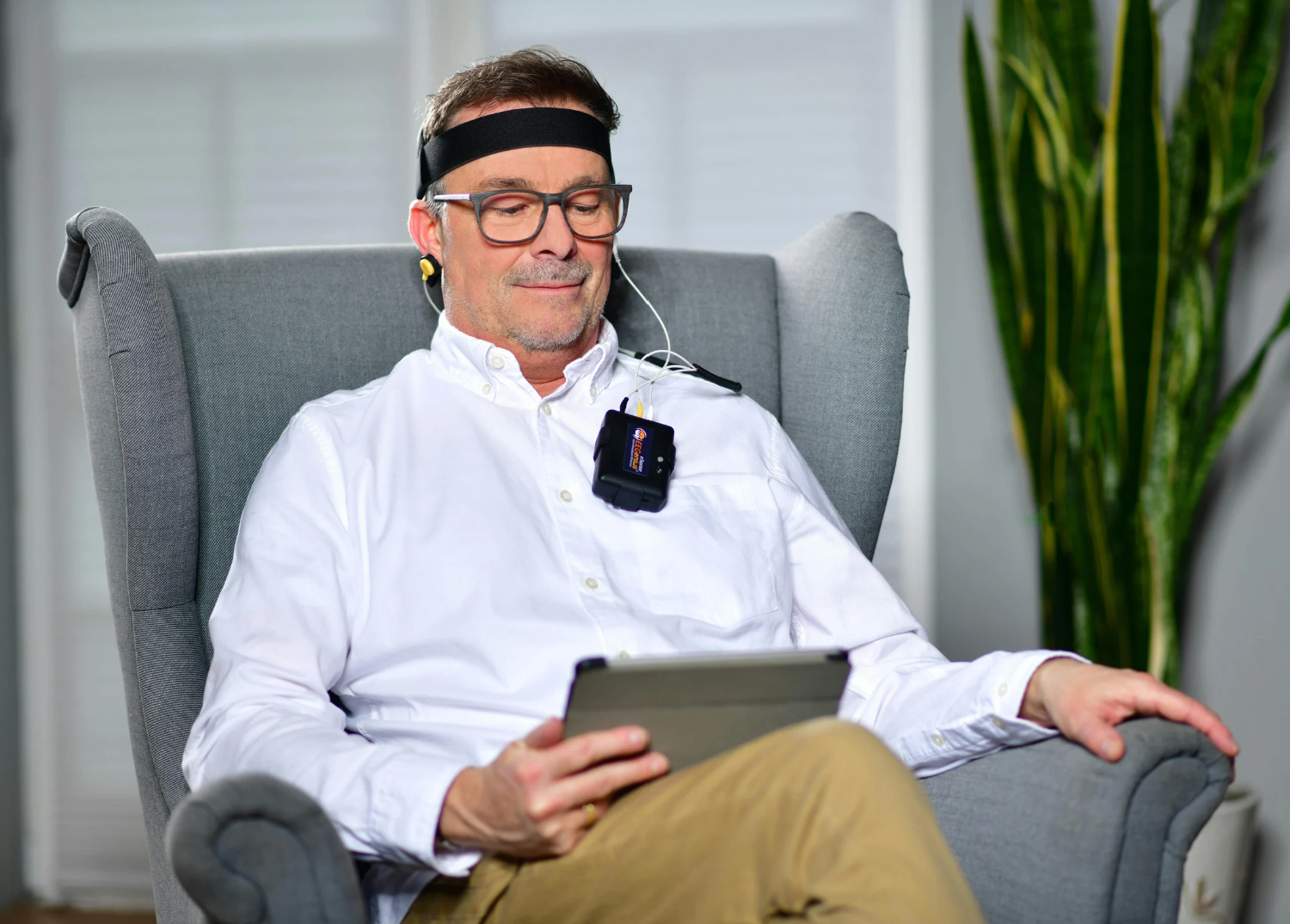
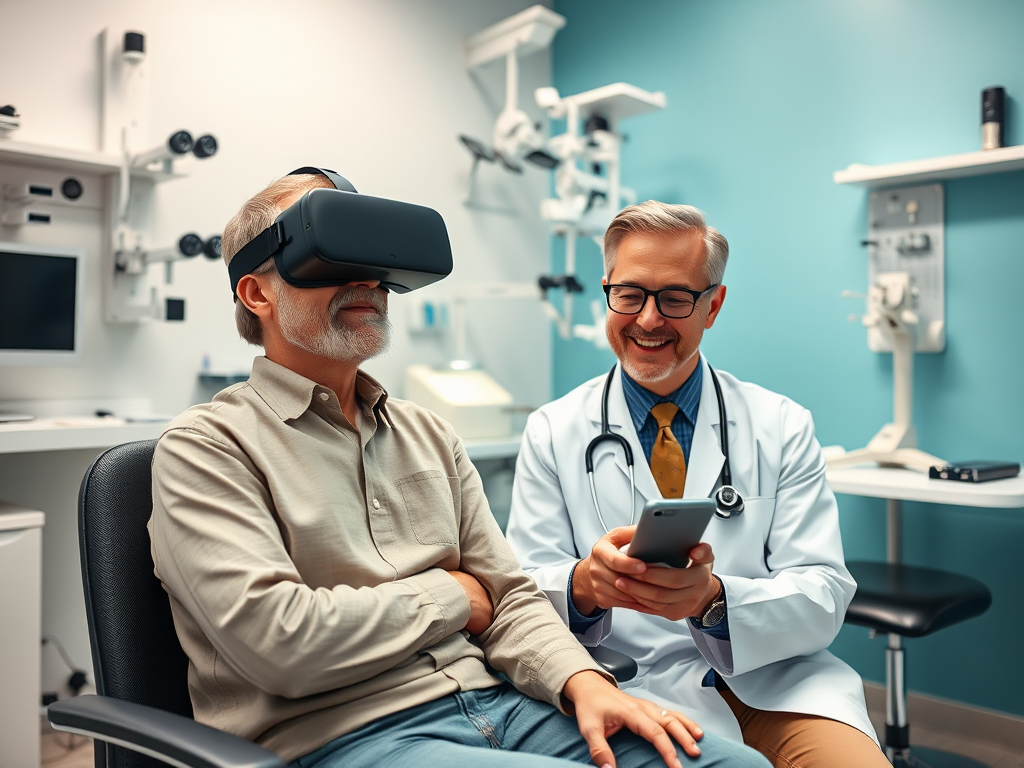
The project will develop a novel training framework focused on visual attention to recover 3D vision. The framework will include a home-based component, allowing patients to complete their training on personal devices via a web-based training algorithm, commercialized through a subscription model. Additionally, both clinic-based and home-based neuromodulation devices will be developed and patented to augment neuroplasticity and accelerate training effects for adult patients.
This project offers several key benefits: Patients, particularly adults with amblyopia, will experience improved visual function, especially binocular vision, with potential extension to treating children. Healthcare providers gain new treatment options leading to better patient outcomes for amblyopia, fundamentally changing its management across the lifespan. Public health systems will see reduced burdens through effective amblyopia management, alleviating long-term impacts. The healthcare industry will benefit from opportunities for innovation and commercialization in digital therapeutics and augmentative neuromodulation technologies. Finally, the general public will benefit from the enhanced quality of life for individuals with amblyopia, reducing the societal impacts of visual impairment.
The project is expected to lead to healthier populations by improving vision recovery in amblyopia, thereby significantly enhancing individuals' quality of life and independence. This scalable solution aims to change the management of amblyopia across the lifespan, benefiting millions globally. Furthermore, the project will advance the understanding of neuroplasticity within the adult brain, potentially paving the way for new rehabilitation techniques that are applicable to a broad range of vision and neurological disorders.