To complete preclinical testing and promote the translation of an innovative therapy designed to treat eye infections, addressing the urgent challenge of microbial resistance to existing antibiotic options
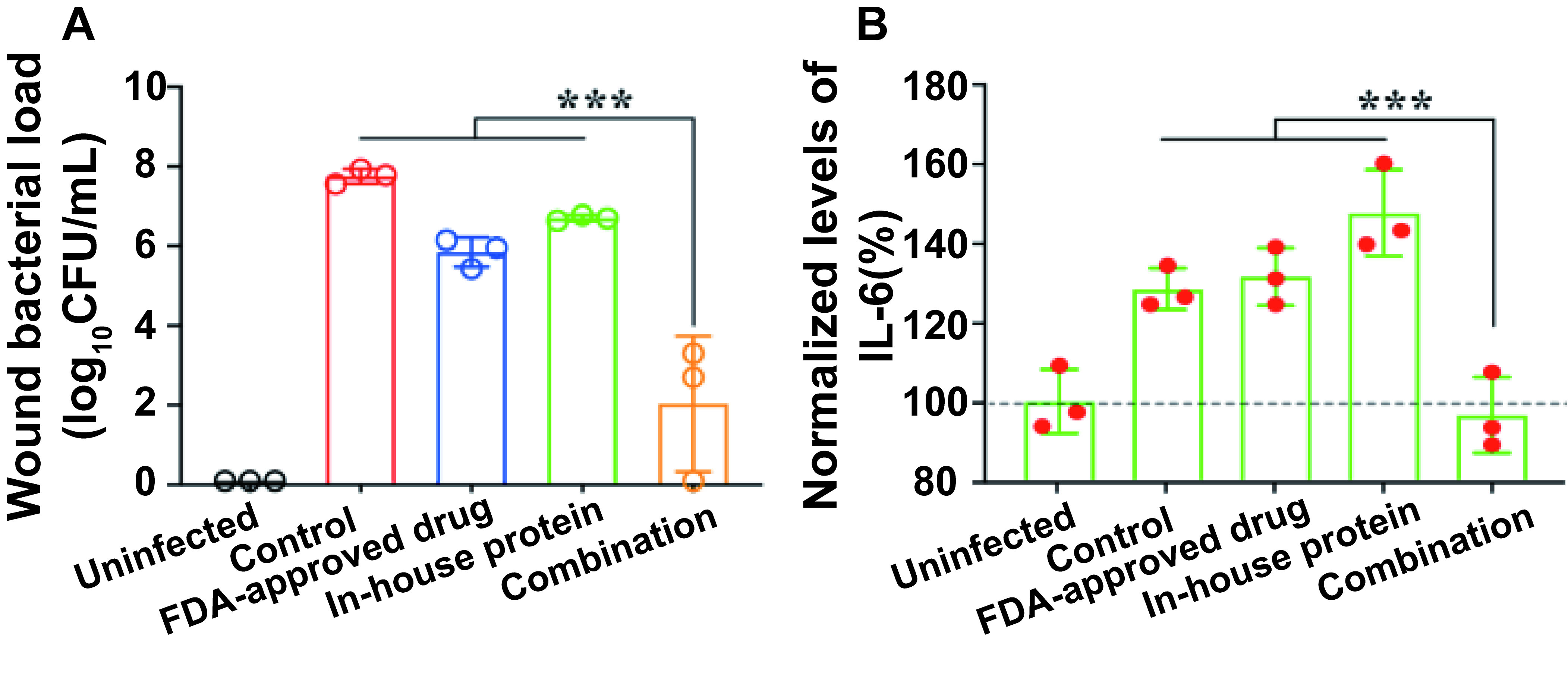
Antimicrobial-resistant pathogen, such as Methicillin-resistant Staphylococcus aureus (MRSA), poses a serious global health threat, especially in ocular and skin infections. Antibiotic efficacy varies due to resistance and microbiome disruption, increasing infection risks and treatment side effects. Previously, the project team discovered a combination therapy of a protein and a FDA-approved drug, enhancing antimicrobial effects over 500-fold. This therapy demonstrated excellent efficacy in animal models of ocular and skin infections.
Comprehensive preclinical testing is essential to define the therapeutic index and guide future clinical trials, advancing this antimicrobial combination therapy toward regulatory approval and clinical use. Key tasks include:
Next-Generation Drug Development: Building on prior CEVR research, the team aims to optimize the therapy through rational drug design, and drug repurposing, by leveraging the unique molecular mechanisms we discovered.
Effective eye disease therapies reduce vision loss and ease healthcare burdens, especially for aging populations. The potent anti-infection treatment alleviates suffering, lowers resistance, costs, and hospital admissions. Long-term, policy-driven stewardship strengthens global health strategies and sustains effective treatments.
By repurposing FDA-approved treatments, the novel therapy accelerates drug development, reduces costs, and will potentially generate a sustainable R&D pipeline. The long-term impact includes better public health, lower healthcare costs, and improved treatment options for drug-resistant infections.