To develop objective macular polarity imaging for detecting age-related macular degeneration and structured light vision testing to identify retinal degeneration caused by myopia.
Structured light beams have led to groundbreaking optical applications. The team discovered that structured light interacts with macular nerve fibres in the retina, creating an entoptic image-an internal visual phenomenon shaped by the retina’s natural radial polarizer. Changes in these fibres, such as those from retinal degeneration, alter the image, making structured light a powerful tool for early retinal disease detection and intervention.
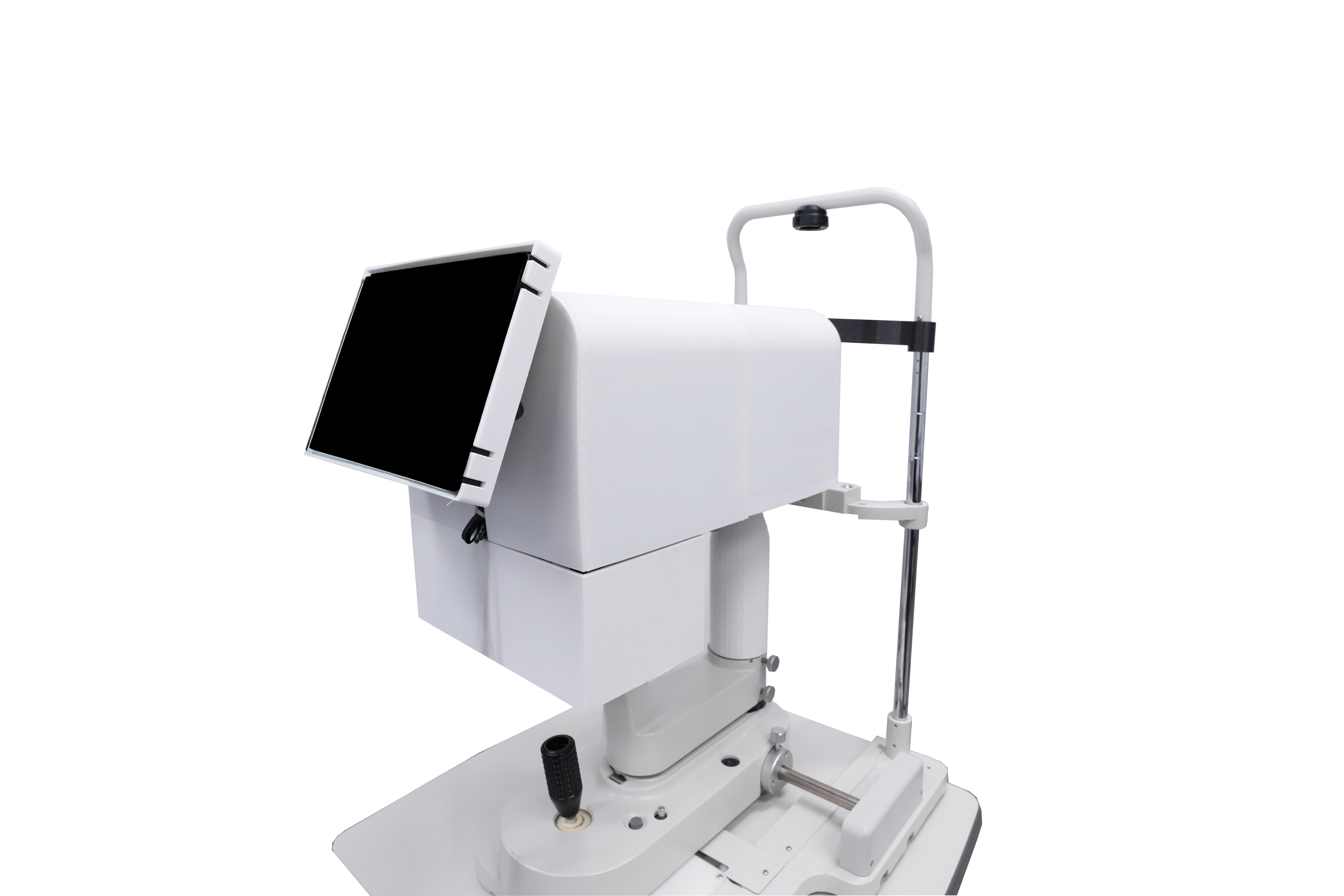
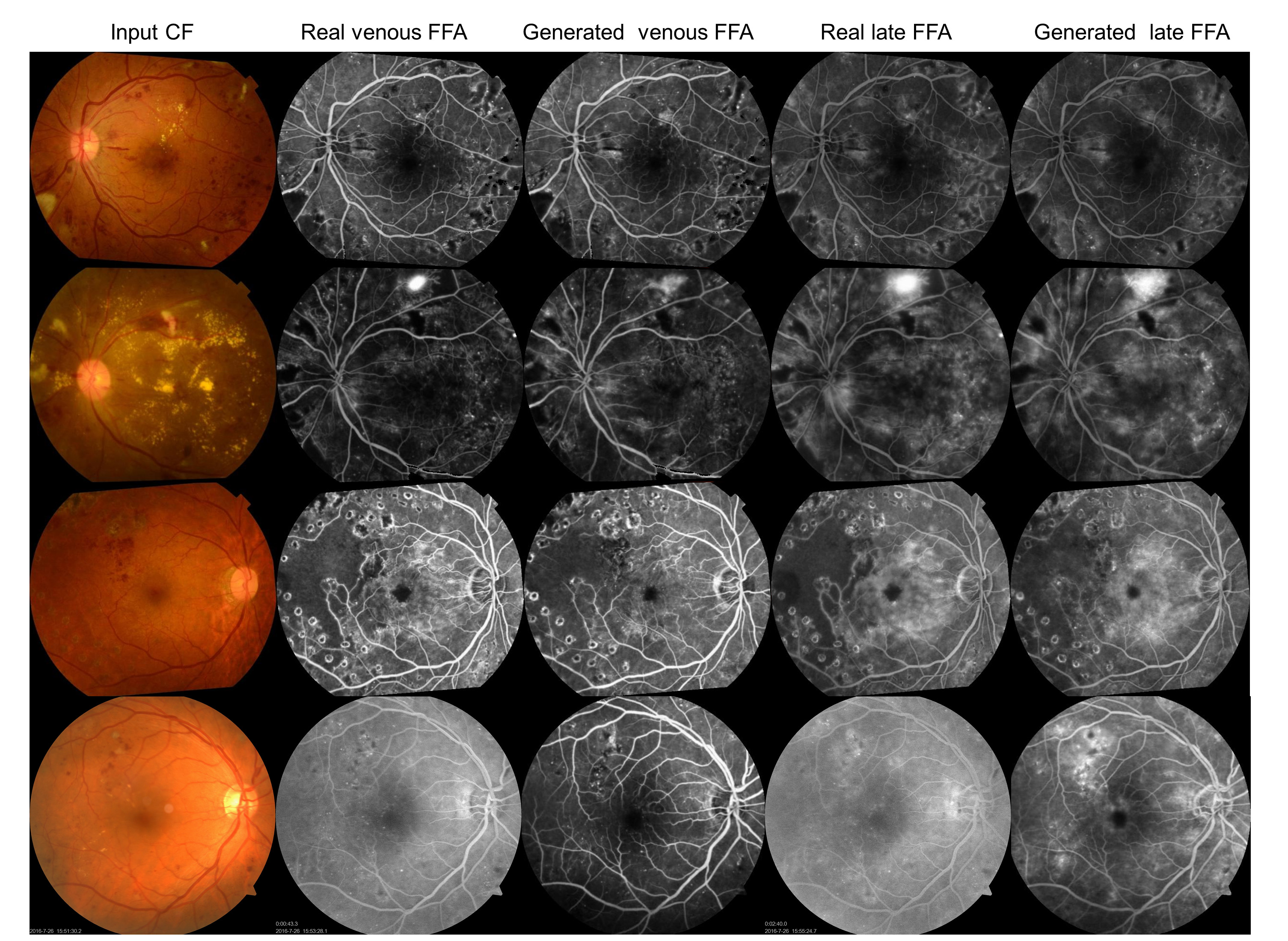
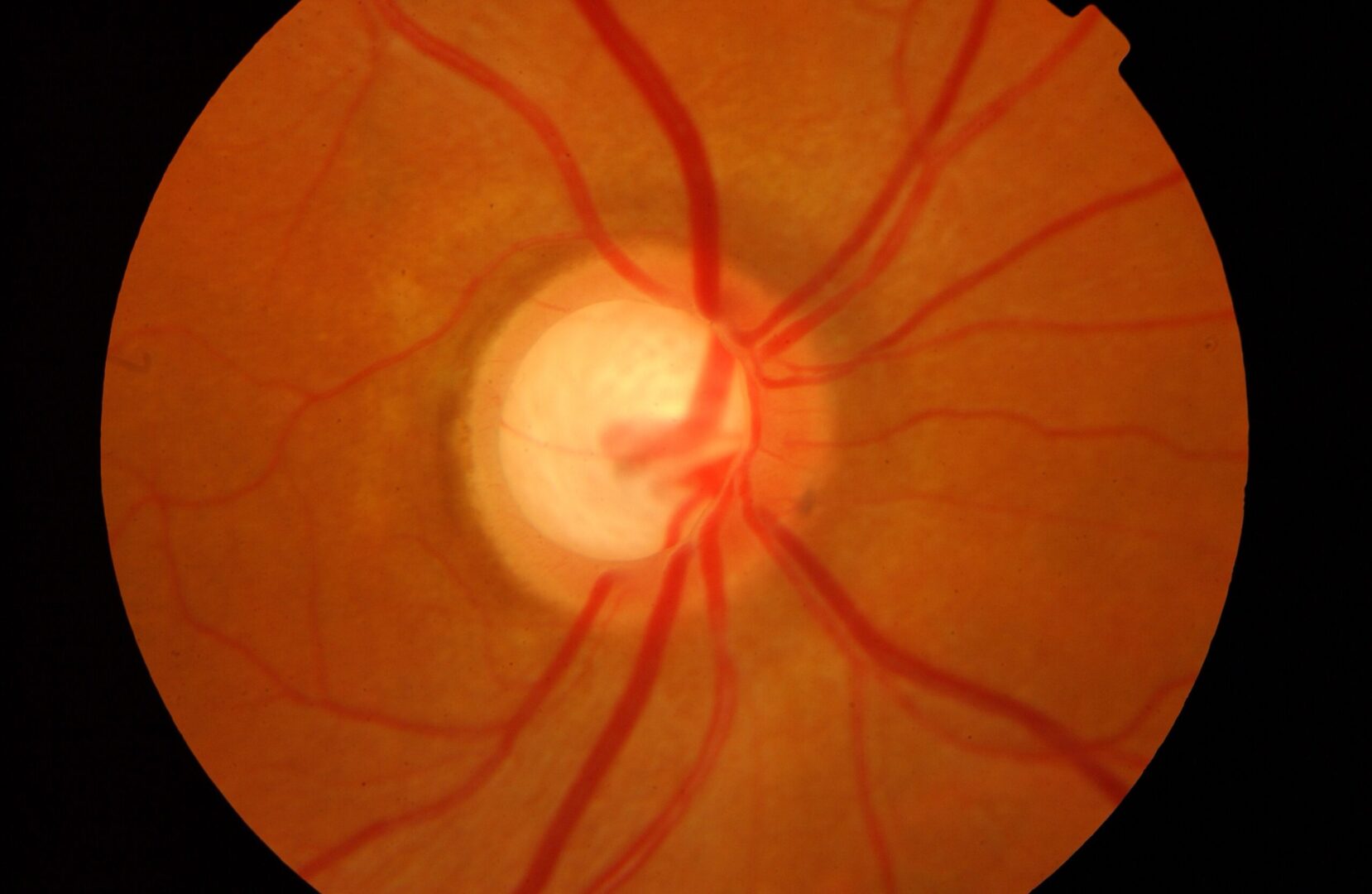
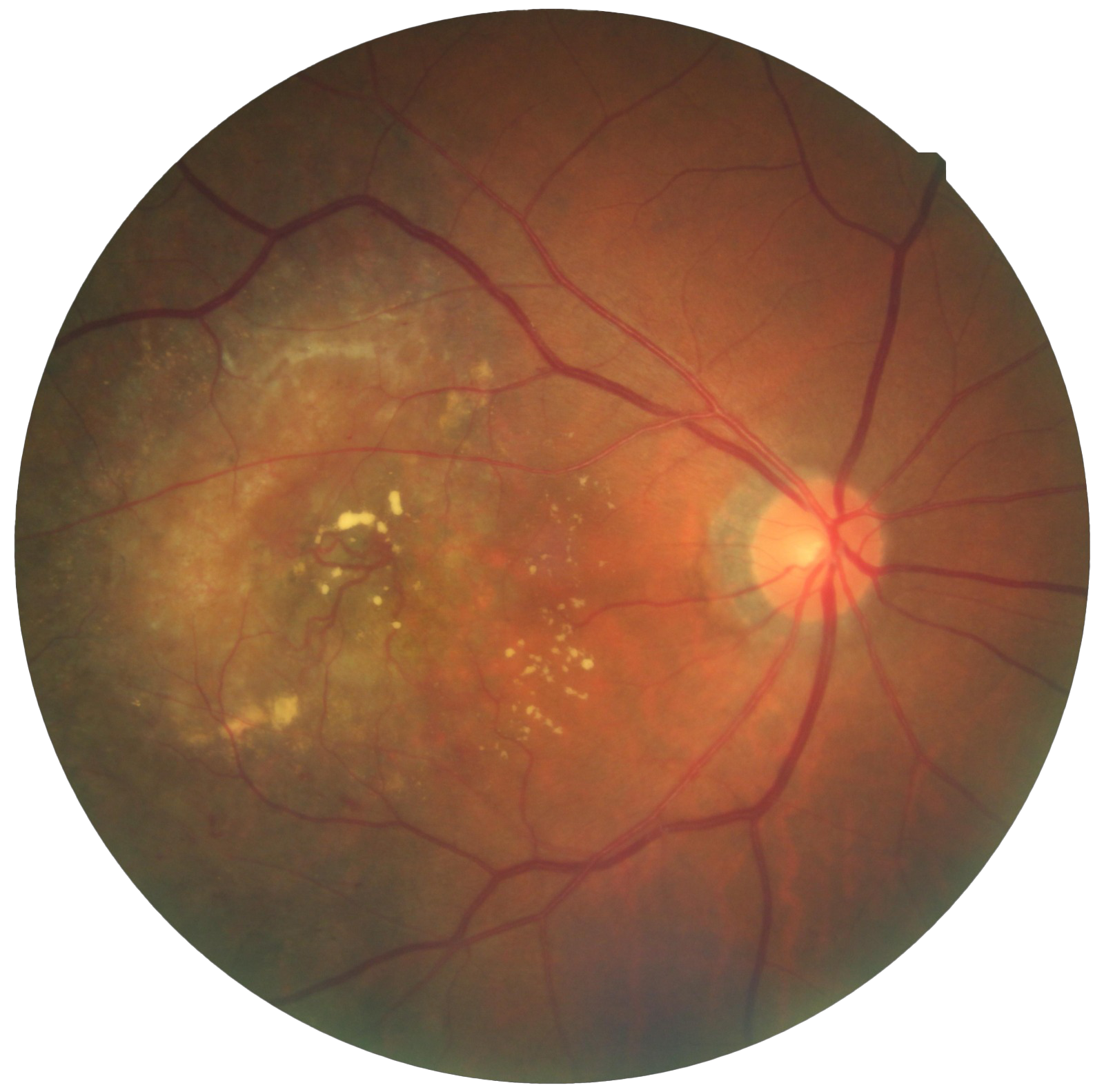
Platform 1 will create an advanced retinal polarity imaging tool that objectively analyses structured light interactions with the retina, eliminating the need for patient perception-based assessments. The system will generate a retinal polarization profile to detect early signs of retinal disease. The prototype imaging system will undergo clinical trials to evaluate its effectiveness in detecting macular degeneration.
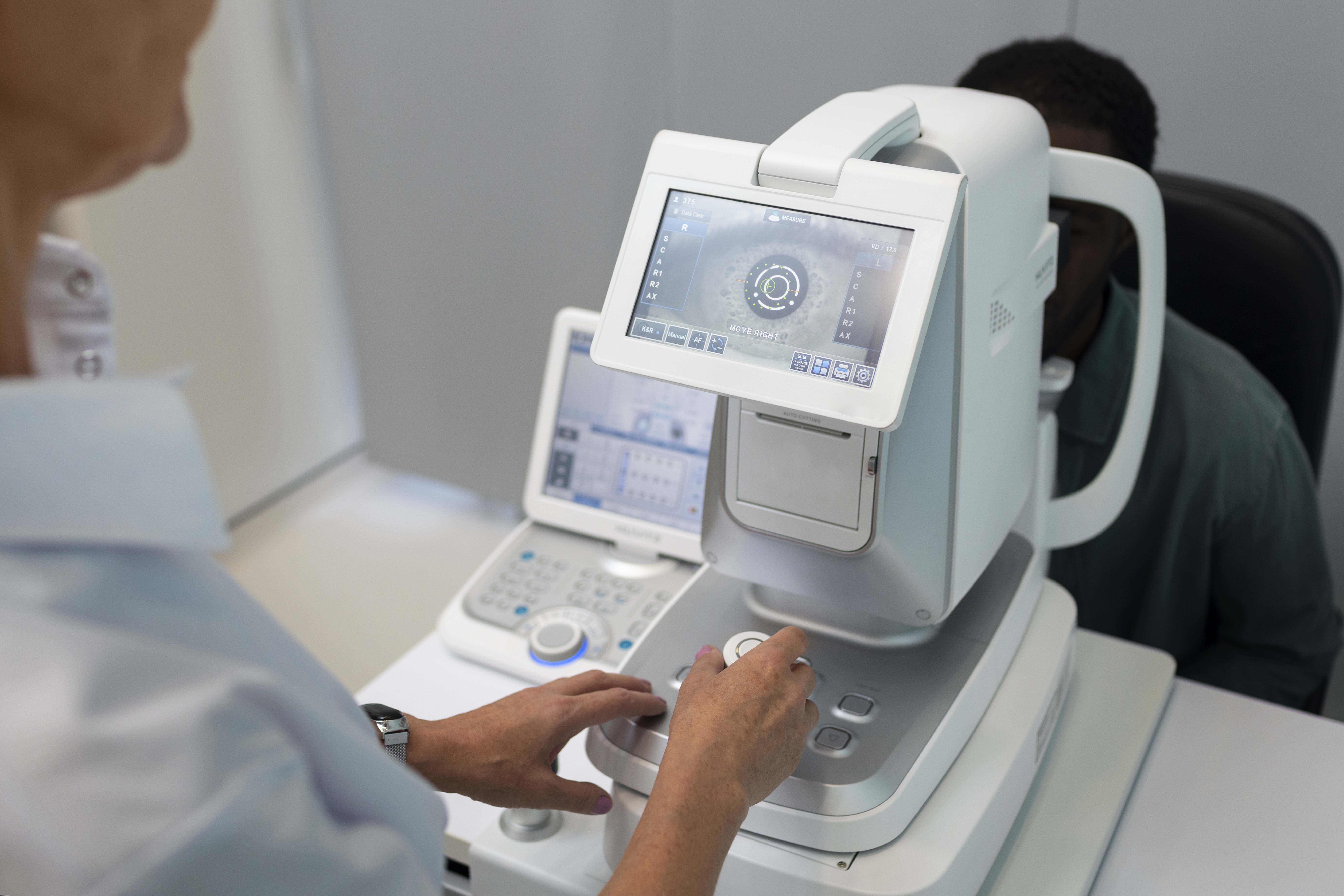
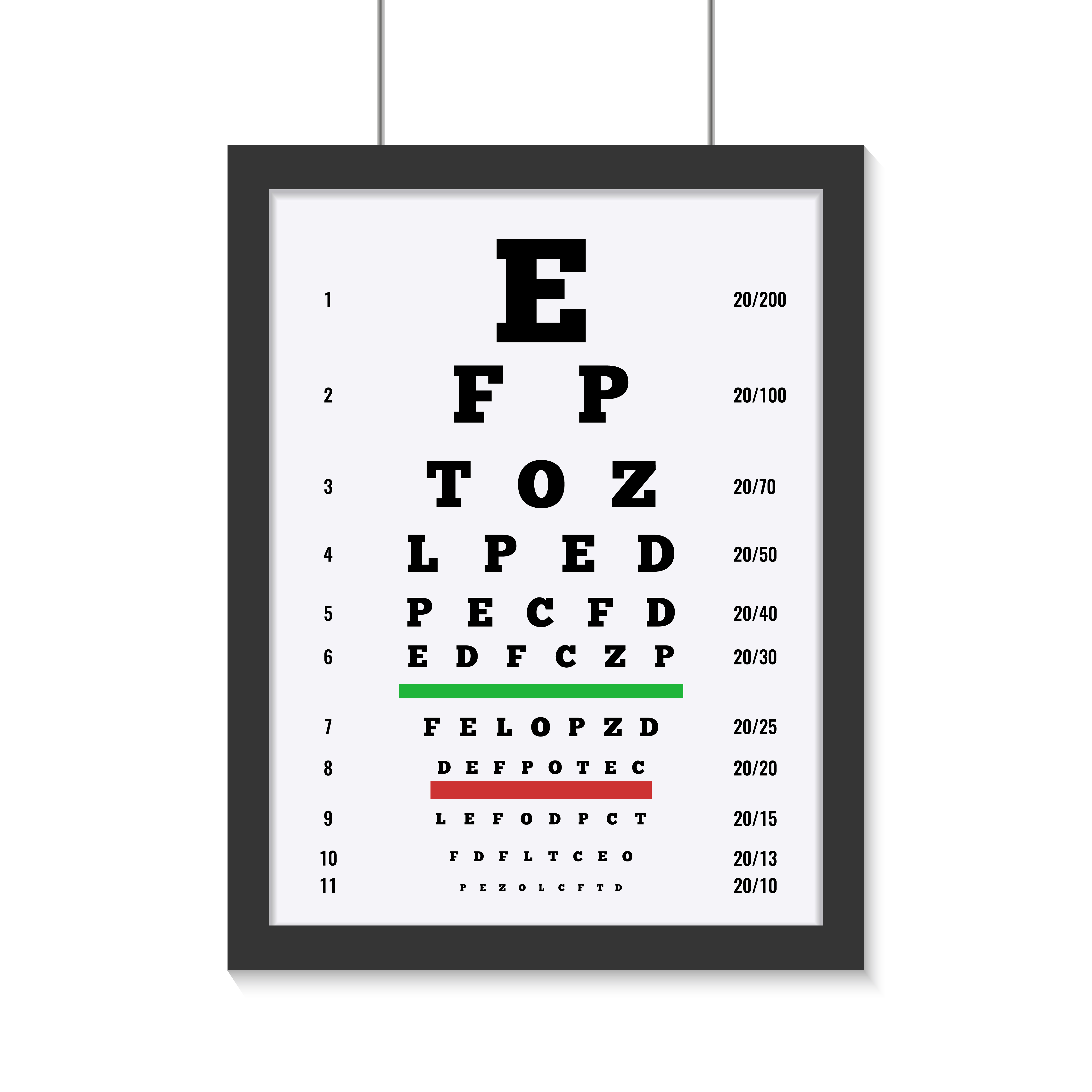
Platform 2 will adapt the team's existing structured light system to detect myopic macular degeneration, that can result in excessive eyeball elongation, stressing ocular structures and deforming the retina. Early detection is crucial to slowing or preventing disease progression. R&D efforts will refine structured light stimuli and perceptual tasks to identify localized retinal distortions and damage. Proof-of-concept research will guide clinical studies to evaluate the system's accuracy in detecting early-stage myopic macular degeneration.
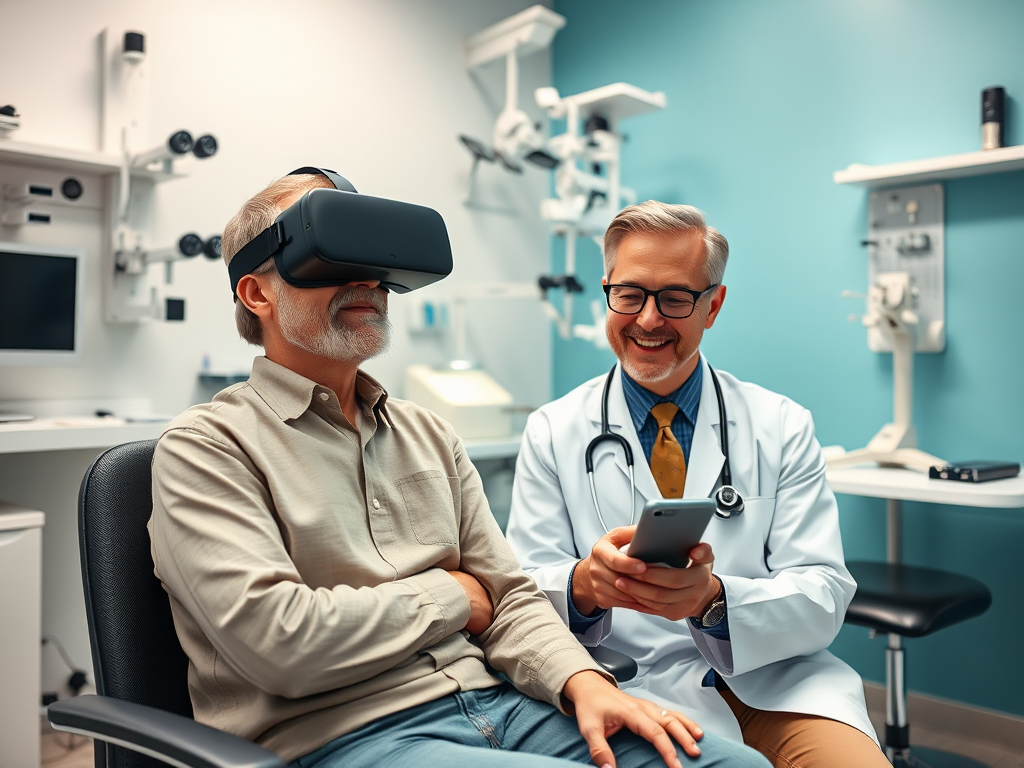
Advanced diagnostic tools for AMD and pathologic myopia will enable ophthalmologists and optometrists to provide more accurate and timely diagnoses, improving early intervention for patients and preventing disease progression. Widespread adoption of these tools will enhance public health and lower healthcare costs. The society will experience increased productivity and economic contributions leading to a more sustainable healthcare system and improved overall quality of life.
The outcome will pioneer a breakthrough in structured light technology to transform early detection and monitoring of eye diseases. By fusing quantum information science and structured light quantum techniques with vision science, this cutting-edge approach redefines how retinal neurodegeneration is understood. The innovation will combine psychophysical testing of structured light perception with advanced retinal imaging, creating a powerful diagnostic tool.