Develop next generation of non-invasive brain stimulation (NIBS) technologies and protocols for optimal vision rehabilitation across various eye and brain disorders.
NIBS is a powerful tool in neurorehabilitation, that modulates excitability and neurotransmitter expression in targeted brain areas. This technique typically uses magnetic fields to induce weak electrical currents (transcranial magnetic stimulation, TMS) or employs head-mounted electrodes (transcranial electrical stimulation, TES). Current approaches can provide temporary improvements in visual perception through single- site, once-daily stimulation. Enhancing the magnitude and duration of these effects is crucial for NIBS to become a viable vision rehabilitation tool.
This project will focus on developing next-generation vision rehabilitation technologies through four key approaches: implementing accelerated protocols involving multiple neuromodulation sessions within a single day, similar to treatments for resistant depression; creating multi-site stimulation protocols that target multiple brain regions involved in visual processing, either simultaneously or sequentially; exploring combination techniques to leverage the potential benefits of combining TMS and TES; and investigating emerging NIBS technologies, such as transcranial ultrasound stimulation (TUS), for their application in vision enhancement.
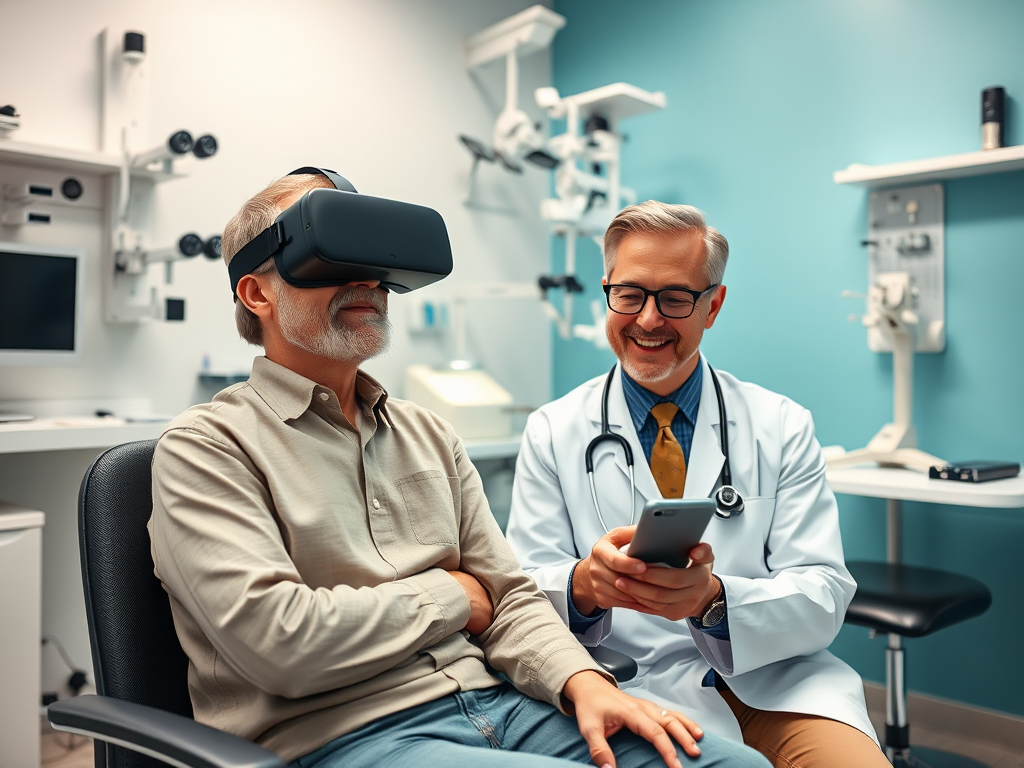
NIBS technologies offer numerous benefits across various sectors. For patients with visual impairments who have exhausted traditional management options, NIBS provides access to innovative treatments that enhance residual visual function. This can improve quality of life, independence, and overall well-being, which can lead to better mental health, educational and career opportunities, and social integration. Healthcare providers gain novel treatment options for improved patient outcomes, especially for adults, expanding their toolkit for managing visual impairments. Public health systems benefit from reduced burden due to widespread NIBS adoption, while the healthcare industry sees opportunities for commercializing specialized brain stimulation devices and protocols. The public at large benefits from increased economic productivity as improved vision may enable individuals to return to work, alleviating the financial strain on social welfare systems.
This project will develop NIBS technologies that provide significant, lasting improvements in visual function, exceeding conventional NIBS approaches. The findings will advance NIBS protocols in vision rehabilitation, support clinical integration, expand treatment options for individuals with visual impairments. Additionally, this research will enhance our understanding of brain areas involved in visual processing and guiding the development of optimal stimulation protocols. The commercialisation of NIBS technologies will improve accessibility to vision rehabilitation.