To establish the metabolomic and proteomic profiles of tear fluid as a tool for non-invasive diagnosis and monitoring of ocular disease. The project will develop non-invasive in vitro diagnostics and point-of-care tear analysis tests.
The human tear fluid is rich in molecules, including proteins, lipids, electrolytes, and metabolites, making its metabolomic profile a valuable indicator of overall health. Since tear collection is quick, safe, and non-invasive, it could serve as an effective alternative to blood plasma for diagnosing and monitoring various diseases. The team has been extensively studying tear proteomic and metabolomic profiles linked to over 20 ocular and systemic diseases, identifying promising biomarkers for diagnosis and monitoring. They are advancing machine learning (ML) methods to analyse proteomic and metabolomic data, offering key insights for diagnostic and therapeutic development.
Platform 1: Multi-omics tear biomarker discovery and validation platform
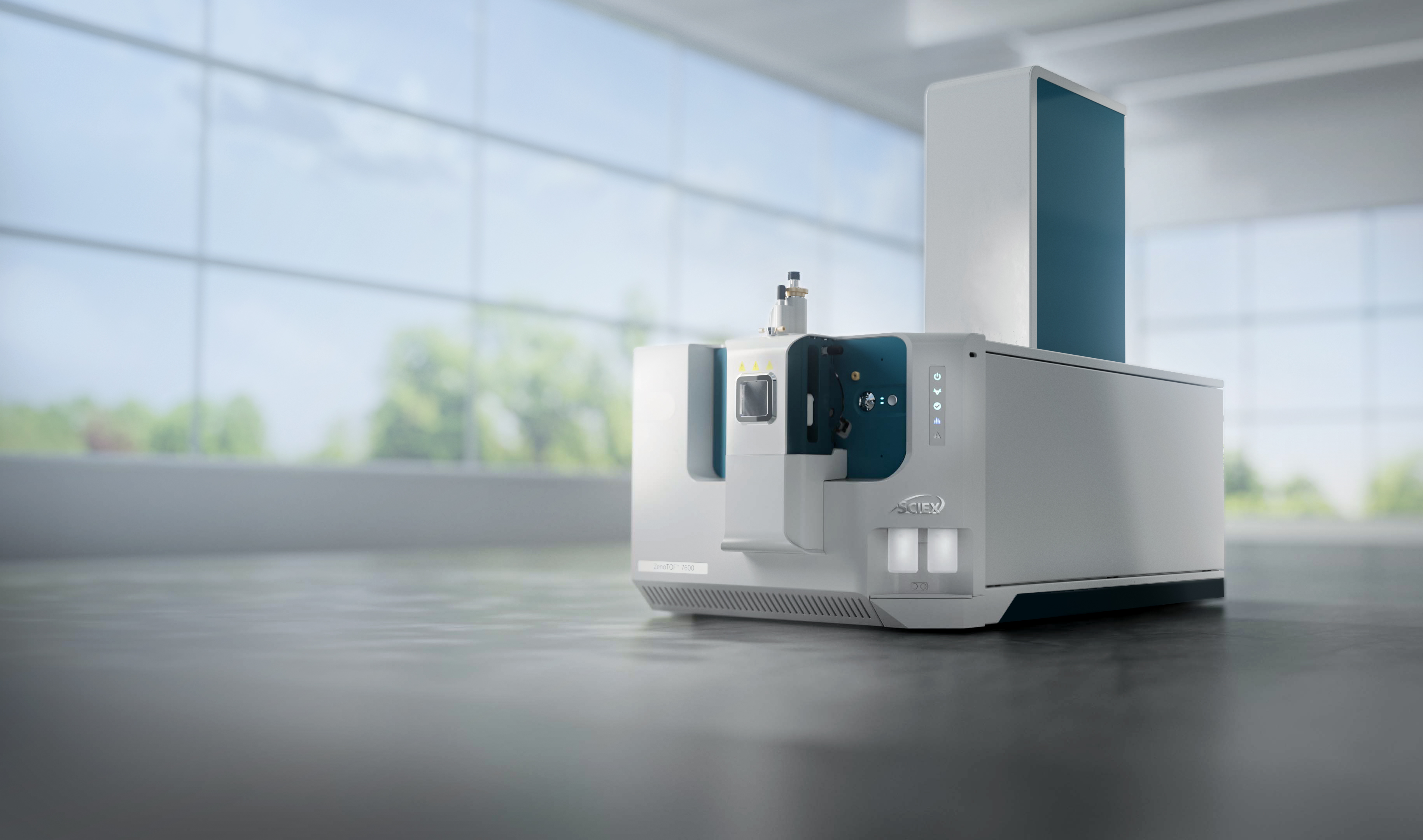
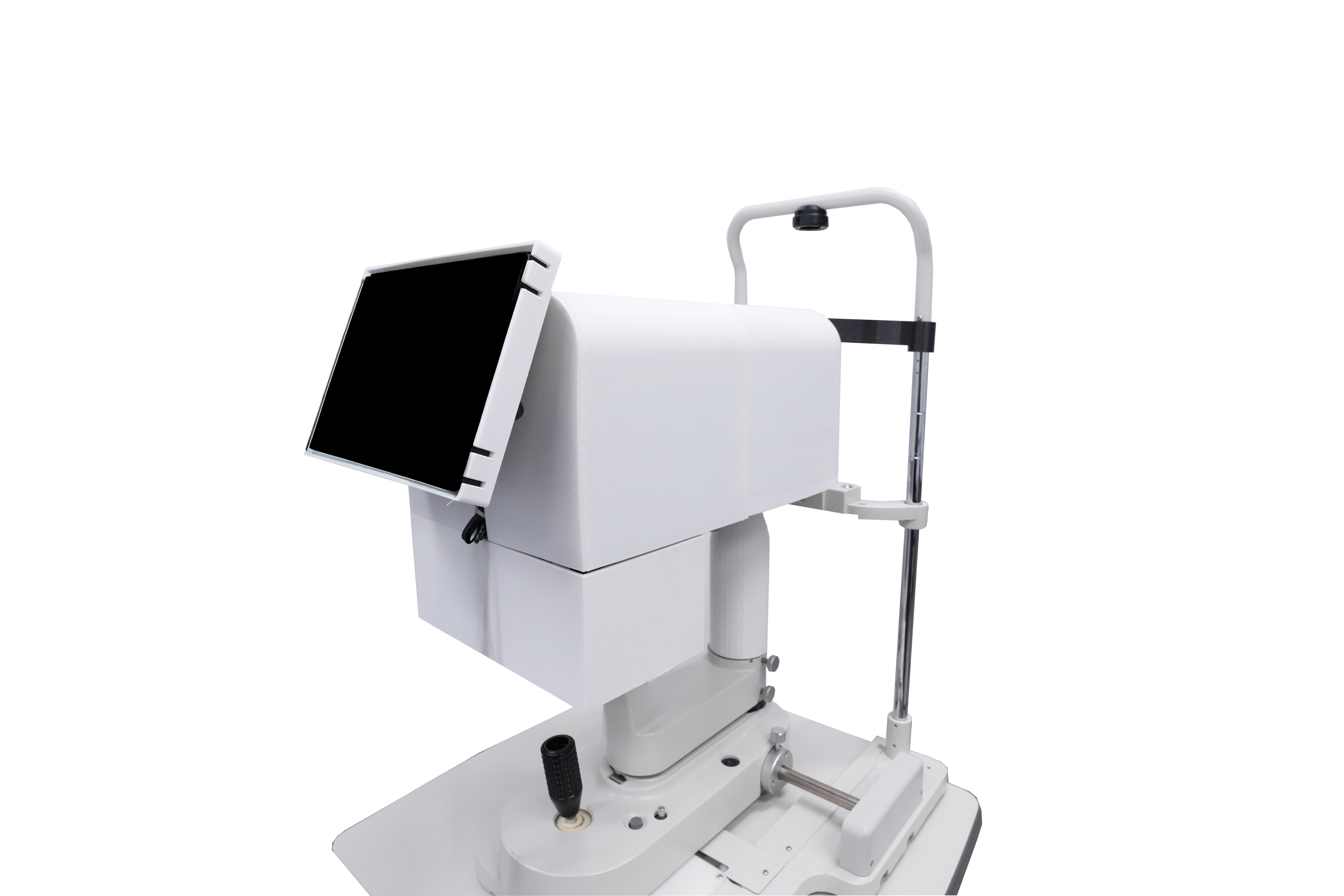
Liquid chromatography-tandem mass spectrometry (LC-MS/MS) for high-resolution analysis of the tear proteome and metabolome, leveraging bioinformatics and machine learning to identify clinical biomarkers. Key R&D activities include developing a reliable tear collection device, a mass spectrometry-based "Tear Analyzer" for precise biomarker measurement, and machine learning models to create a new diagnostic tool for clinicians.
Platform 2: Development of tear-based point of care tests
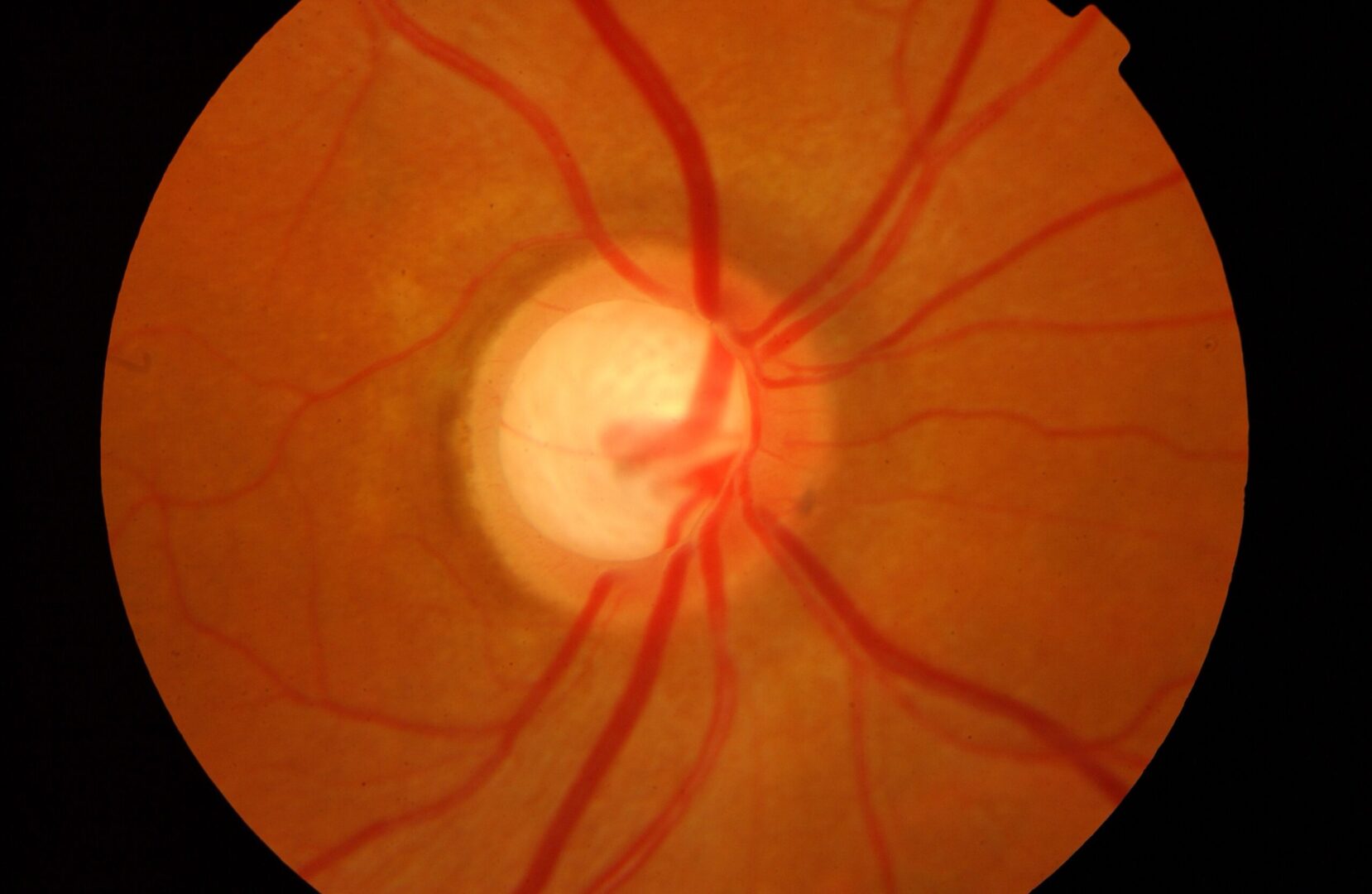
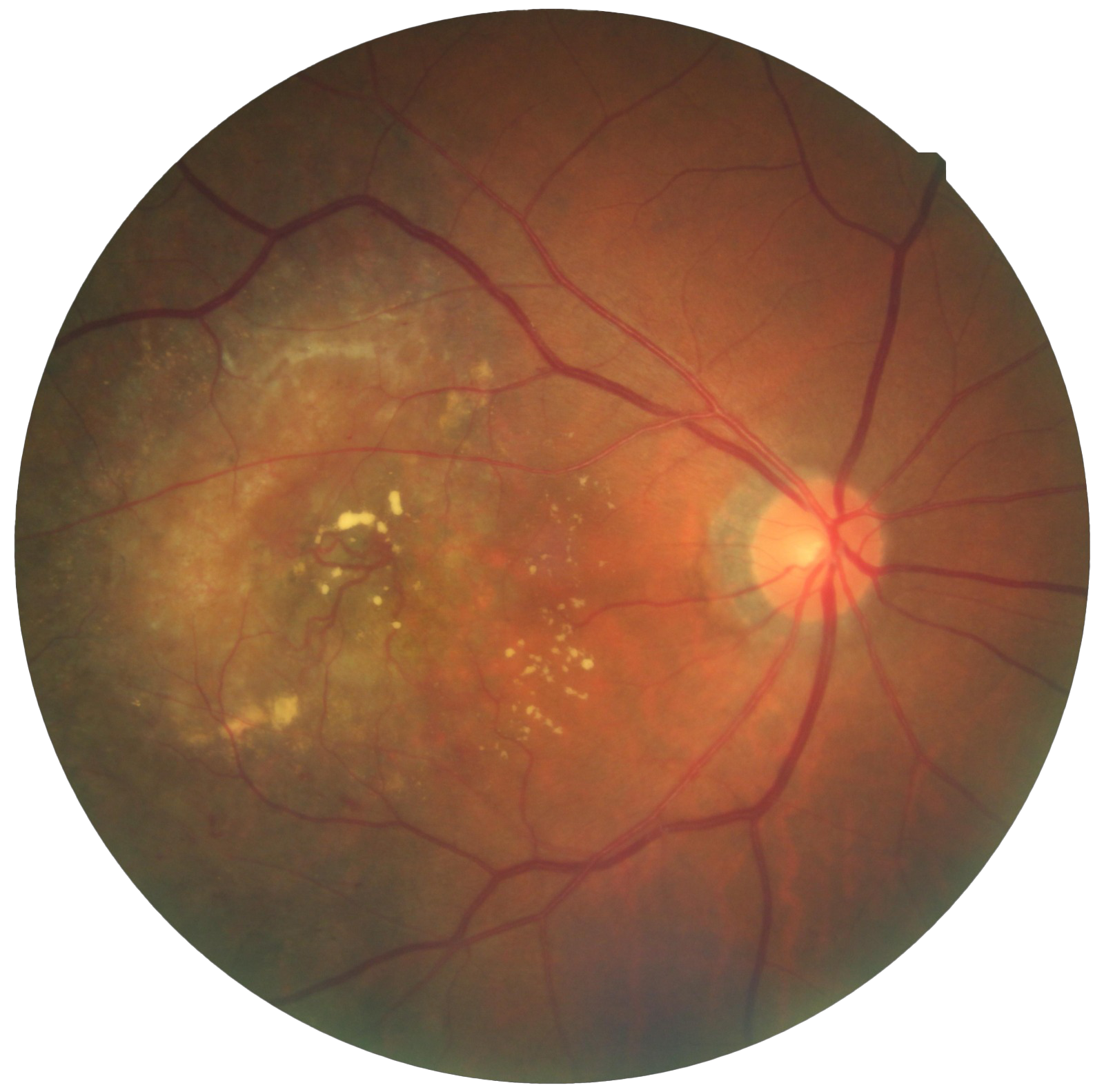
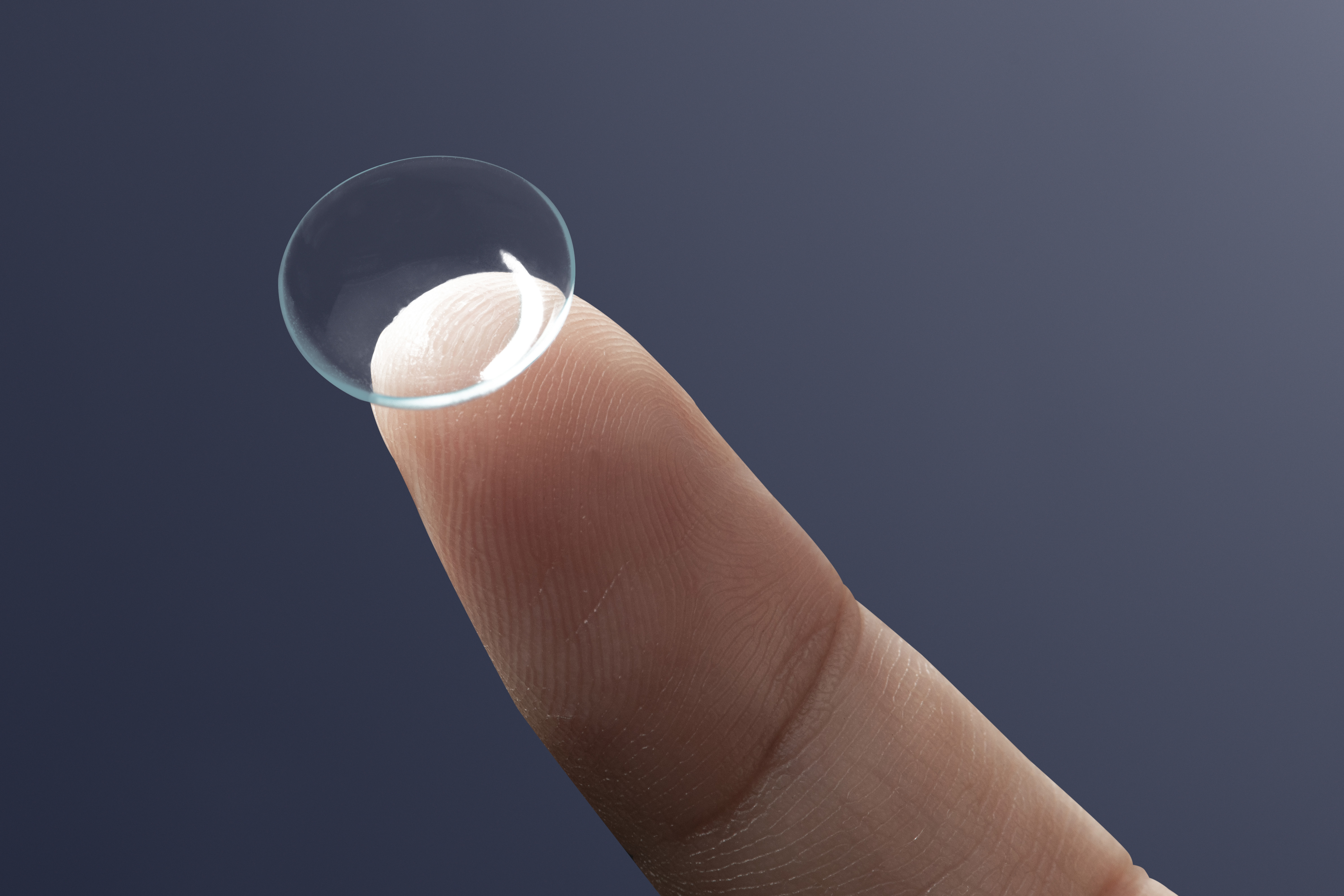
Validating tear biomarkers using mass spectrometry and clinical cohorts, which will lead to optimized point-of-care test prototypes. Key R&D activities include developing a tear test kit for dry eye detection, a biomarker panel for detecting retinopathy of prematurity, a biomarker for glaucoma diagnosis and treatment monitoring, and identifying biomarkers linked to contact lens discomfort to improve diagnosis and treatment.
These processes will enhance early detection, diagnostic accuracy, and disease management for conditions that include glaucoma, retinopathy of prematurity, dry eye disease, and contact lens discomfort. These non-invasive screening tools will be particularly valuable in high-prevalence regions such as Asia.
Integration of these concepts into diagnostics, prognostics, and monitoring will improve healthcare efficiency, reduce costs, and transform disease management. Tear proteomics and metabolomics will drive advancements in personalized medicine, leading to better patient outcomes, lower treatment costs, and continue innovation in eye and systemic disease management.