RESEARCH PLATFORM 3

R.P 3.1 Eye Disease Diagnosis and Treatment Enabled by Novel Retinal Instrumentation

Eye Disease Diagnosis and Treatment Enabled by Novel Retinal Instrumentation

Aims

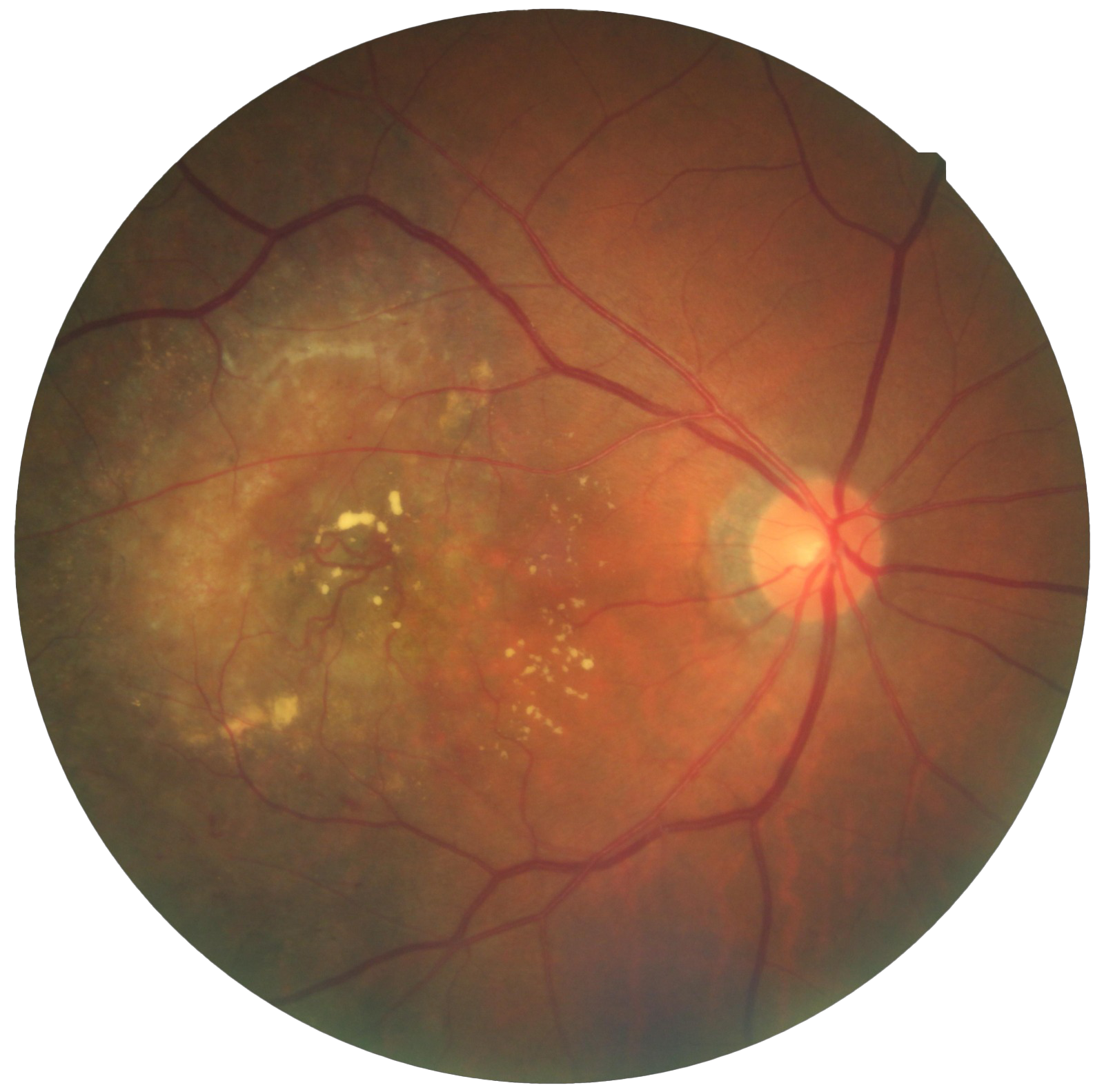
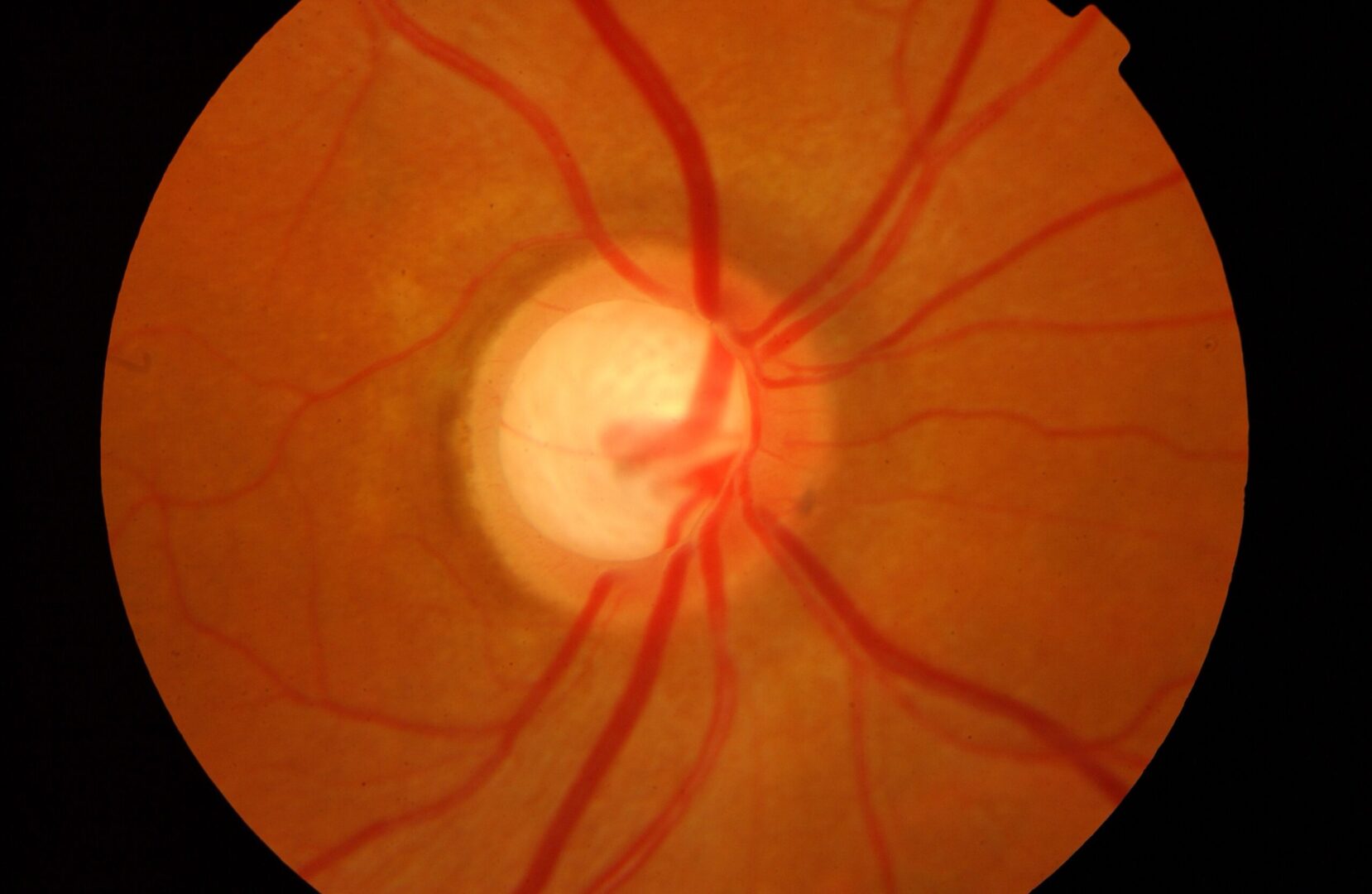
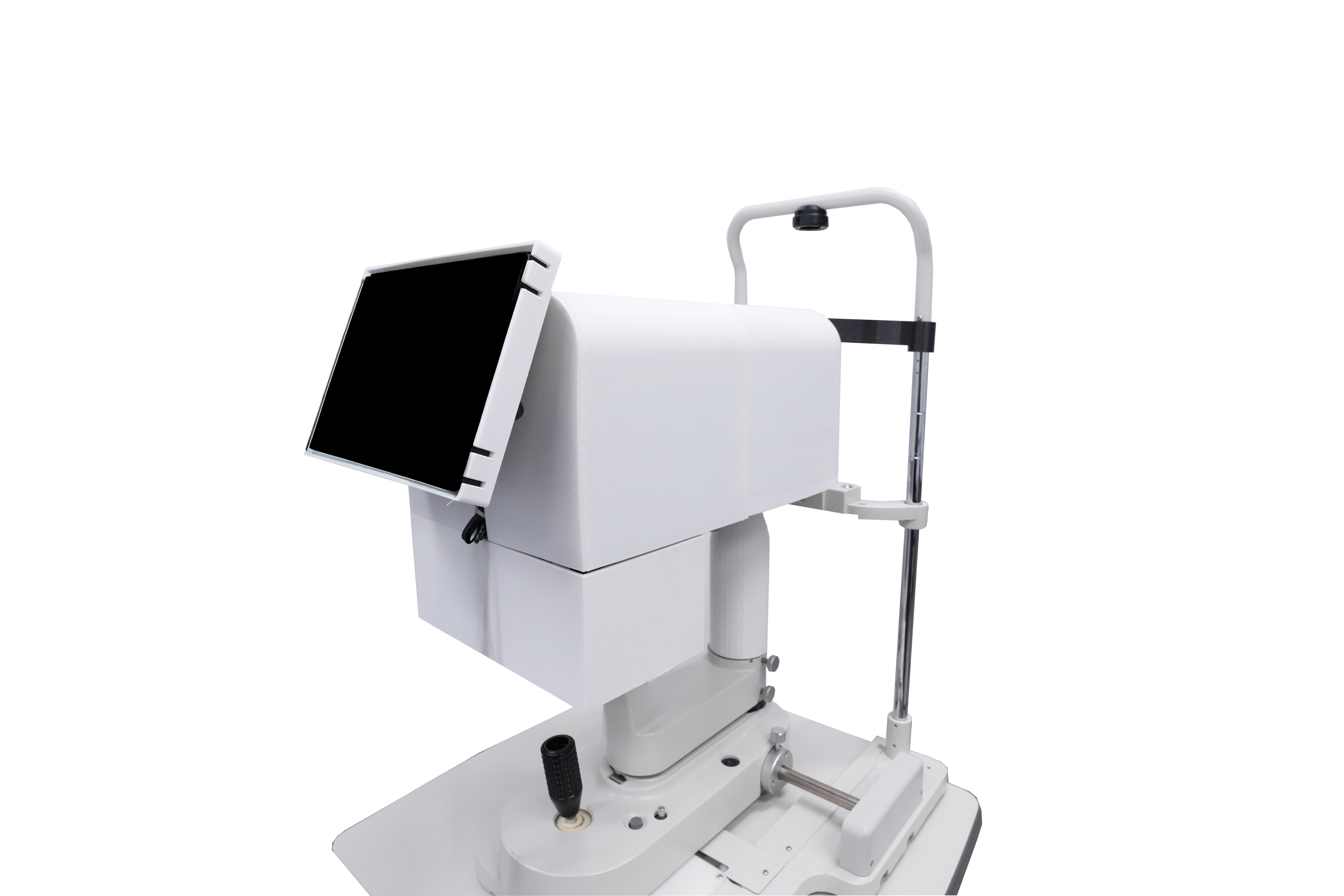
To utilize state of the art technology to image and deliver precision treatment to the retina of the eye, using a unique adaptive optics scanning laser ophthalmoscope (AOSLO) to detect the earliest stages of age related retinal degeneration (AMD) and ocular melanoma and using ultrafast laser technology to precisely treat them.


Background

Researchers plan to develop a cellular-scale fluorescence lifetime imaging system for human use, filling a gap in early diagnosis. Once diagnosed, current treatments for AMD require frequent anti-VEGF injections, while ocular cancers often necessitate eye removal. An alternative approach involves closing the main vessel feeding the pathology, but existing single-photon therapy lacks precision. The proposed two-photon photodynamic therapy system aims to improve accuracy and preserve vision by precisely targeting these key retinal blood vessels.


Work to be Done

The AOSLO technology will be used to test two-photon photodynamic therapy (2P-PDT) in rat models for AMD and ocular melanoma by closing feeder blood vessels. Once validated in animal models, the instrument design will be refined and patented with Imagine Eyes for human treatment. Given the unique capabilities of CEVR’s AOSLO system, this approach has the potential for global adoption, offering a groundbreaking treatment alternative for retinal diseases. The team will also develop an advanced AOSLO clinical instrument for high-precision imaging of the retinal pigment epithelium at the cellular scale as changes in its structure and function are linked to AMD, allowing early detection and assessment of retinal conditions.


Benefits

Improved early screening for AMD will expand patient access to 2P-PDT treatment and help reduce vision care costs for older adults. This precise AMD treatment will require fewer procedures, reducing costs and benefiting patients, while ocular melanoma treatment is expected to be much less invasive than eye removal. In both cases, vision will be better preserved, recurrence rates will be lowered, and survival outcomes will be improved.


Impact

Investigators will work with industry collaborators, Imagine Eyes and Robotrak, to develop the proposed technology, building on successful past collaborative projects. These strategic partnerships will pave the way for more effective clinical instruments to become a standard tool in ophthalmology clinics worldwide, enhancing diagnosis, monitoring and treatment of these sight and life-threatening diseases. Key indicators of success include higher early AMD detection rates, increased patient access to these new treatments, reduced eye removal rates, and overall decreased healthcare costs of treating AMD and eye cancers.


Learn More About Other Research Projects