To develop, validate and commercialize a redosable system to deliver DNA minivectors to the eye to enable gene therapy for ocular diseases
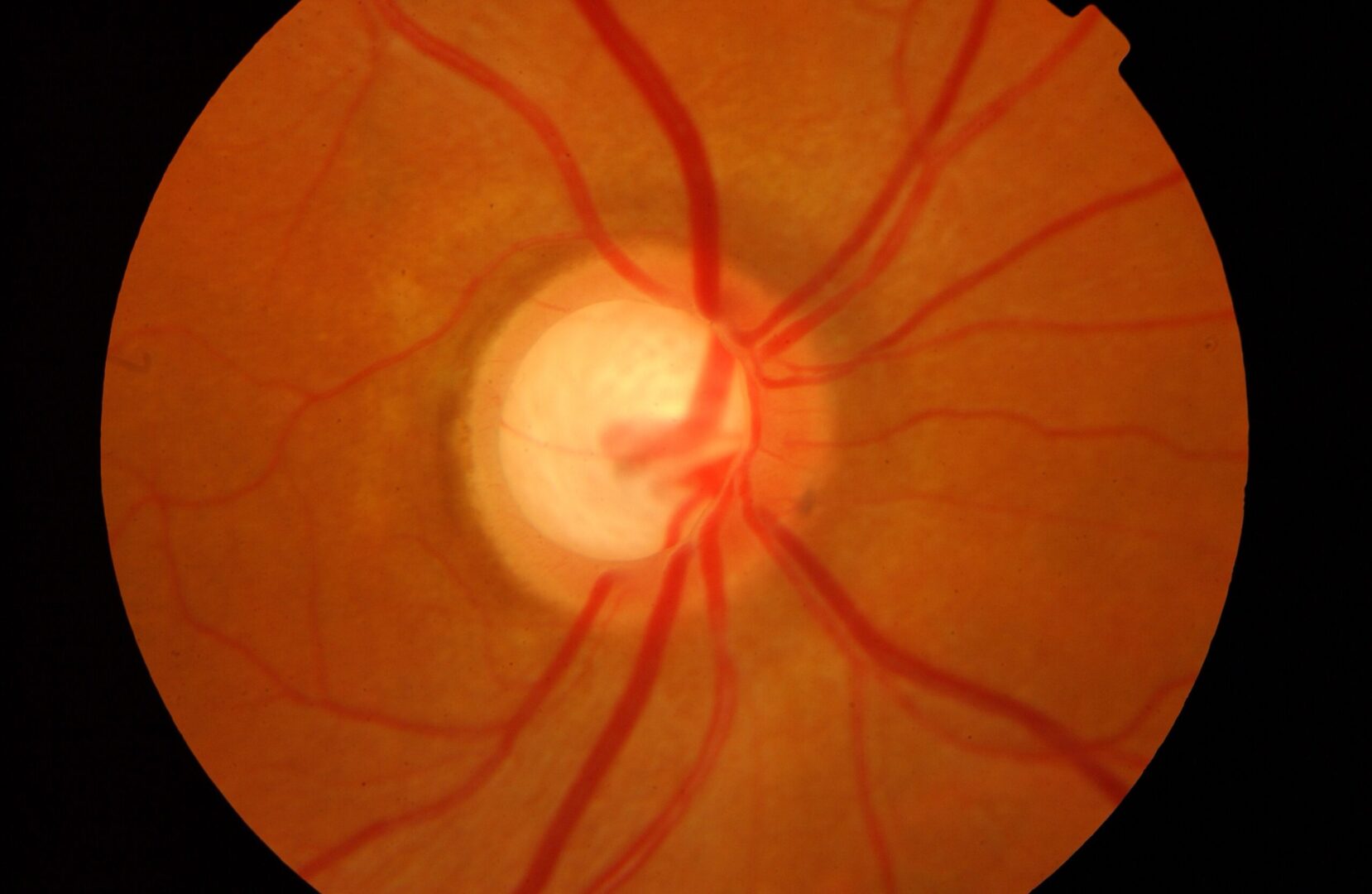
Delivering DNA to the eye presents a significant challenge in gene therapy and formulation chemistry, particularly due to the limitations of topical eye drops. While eyedrops are effective for treating conditions in the eye anterior segment, they fail to reach the posterior segment, highlighting a critical unmet need in ophthalmology. To address this gap, the development of targeted delivery systems capable of overcoming ocular barriers and reaching the eye’s interior is essential opening new possibilities for ophthalmic care.
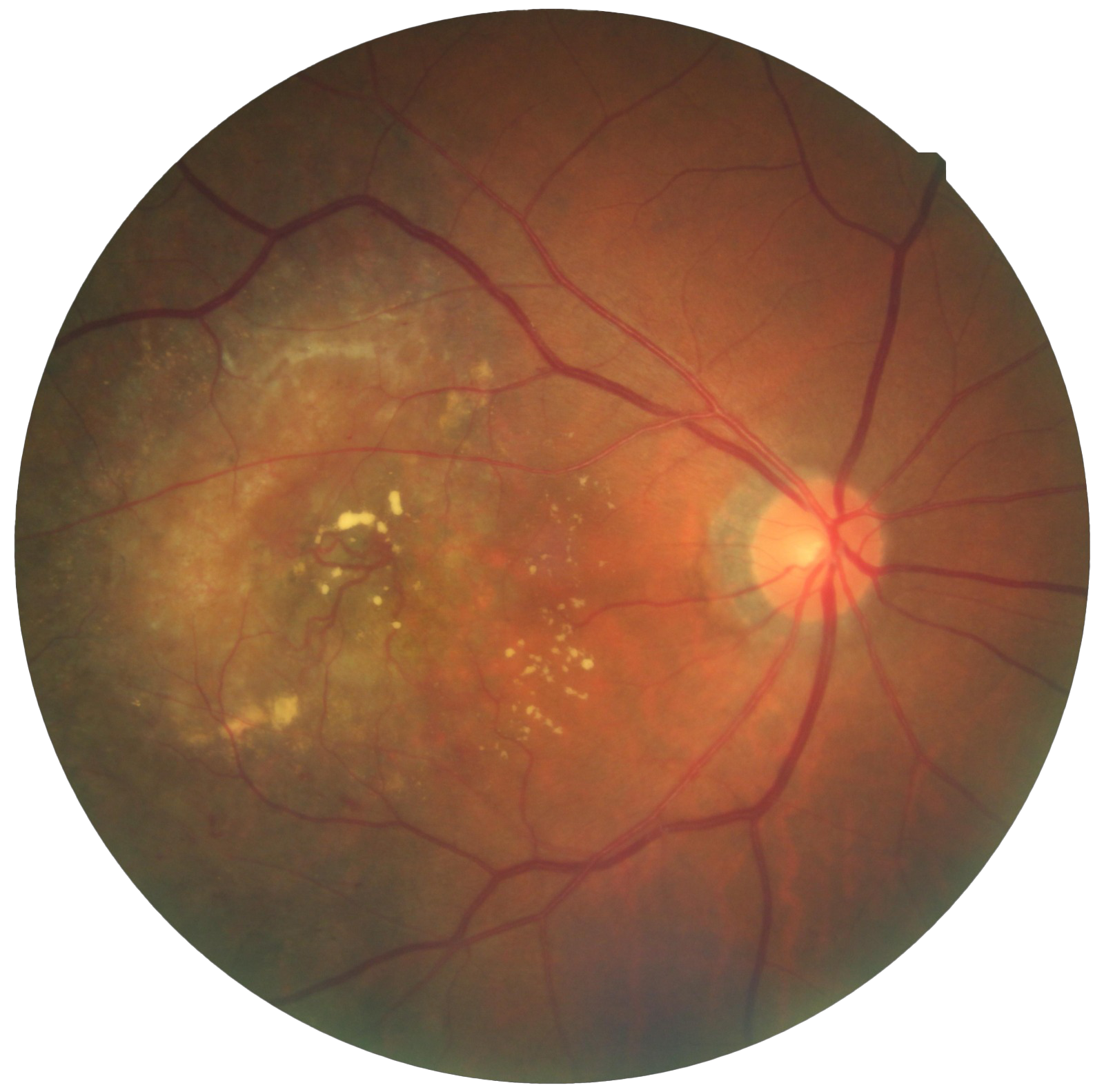
The team will design and characterize novel delivery systems. The platforms are expected to offer neuroprotection, photoreceptor targeting, and where pertinent, fusogenic activity with the aim of enhancing safety and efficacy and potentiate redosing and titratability. Initially targeting Stargardt Disease, this platform could later be extended to other inherited retinopathies and macular degenerative disorders. Three platforms will be developed, of which one, a patented technology will use Mediphage Bioceuticals's msDNA™ minivectors. Two novel platforms involve the use of bacteriophages and anelloviruses components as nonimmunogenic targeted delivery vehicles. The overall aim to overcome the limitations of current gene therapy vectors, offering innovative, versatile, and effective therapeutic solutions for currently untreatable ocular diseases.
A redosable and efficacious system of delivery would revolutionize gene therapy. Through this work, a biotech startup is already being assembled and will gain a competitive edge through gene therapy advancements, attracting investment and validating novel delivery methods. As technology matures and if it eventually receives regulatory approval, more patients with ocular and genetic diseases will access treatments, reducing disease burden. In the long term, gene therapy using this platform will integrate into routine clinical practice as a titratable approach to personalized medicine, improving patient outcomes and quality of life for patients. Key metrics: Startup growth, patient access, regulatory approvals, and clinical adoption rates.
Current gene therapy methods face major limitations. Viral vectors, though effective, cannot carry large cargo, are non-redosable, and pose risks like toxicity, insertional mutagenesis, and off-target effects—especially in the liver. Their high production costs also make treatments prohibitively expensive. Subretinal delivery, the standard route, is highly invasive, while intravitreal injection, though less invasive, is more immunogenic and still non-redosable. These challenges highlight the urgent need for safer, more effective, affordable, and redosable gene therapy solutions.