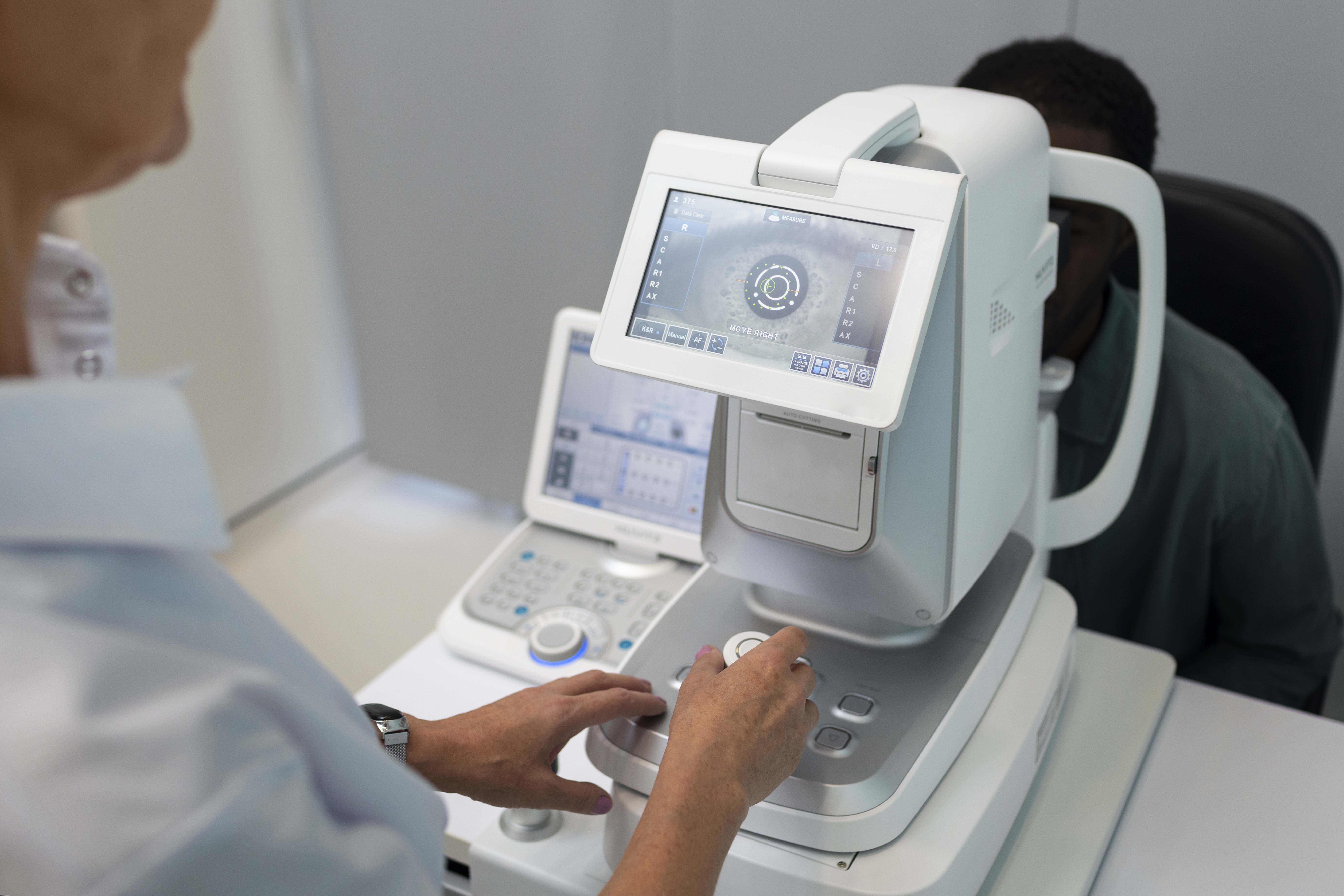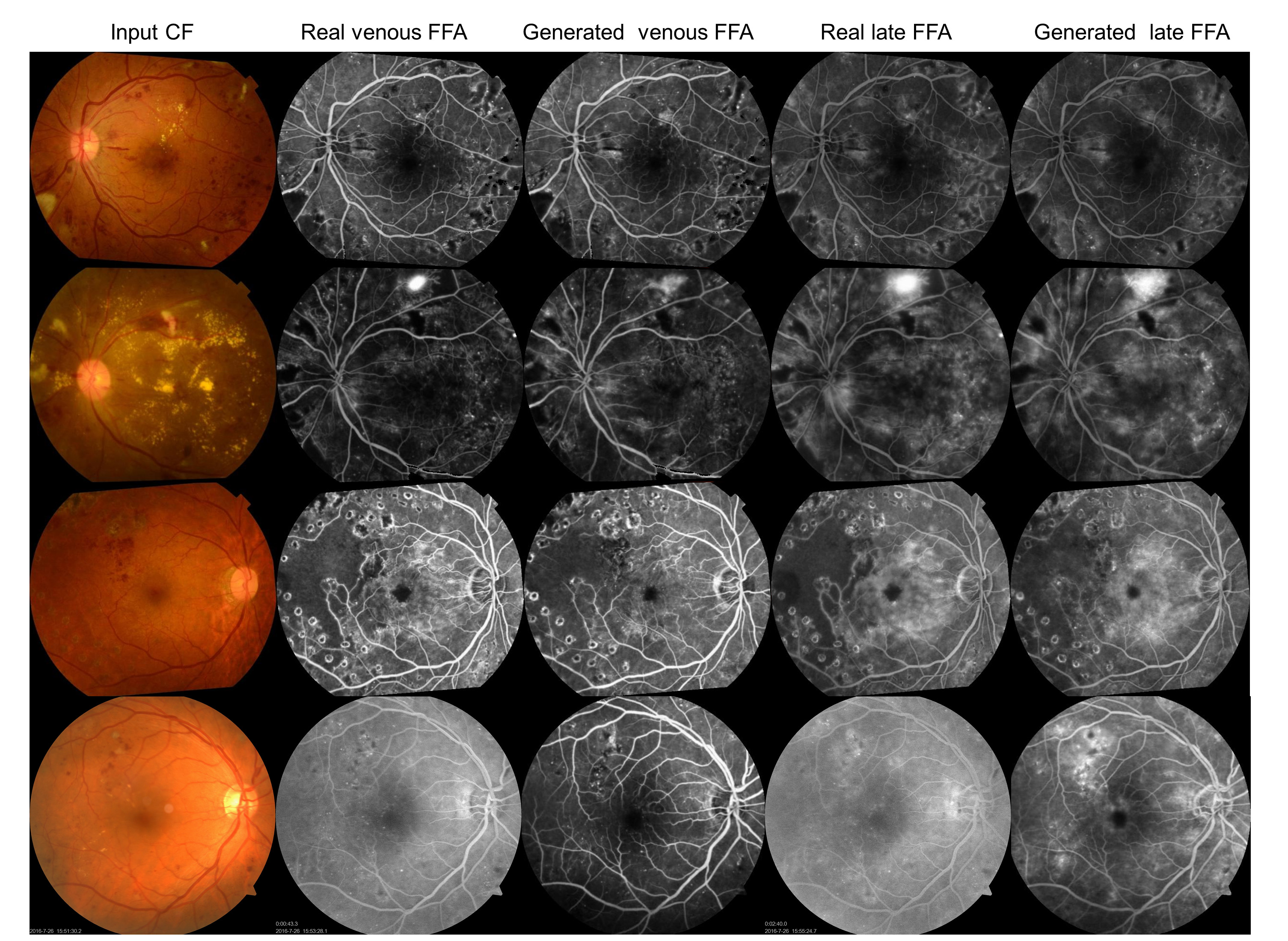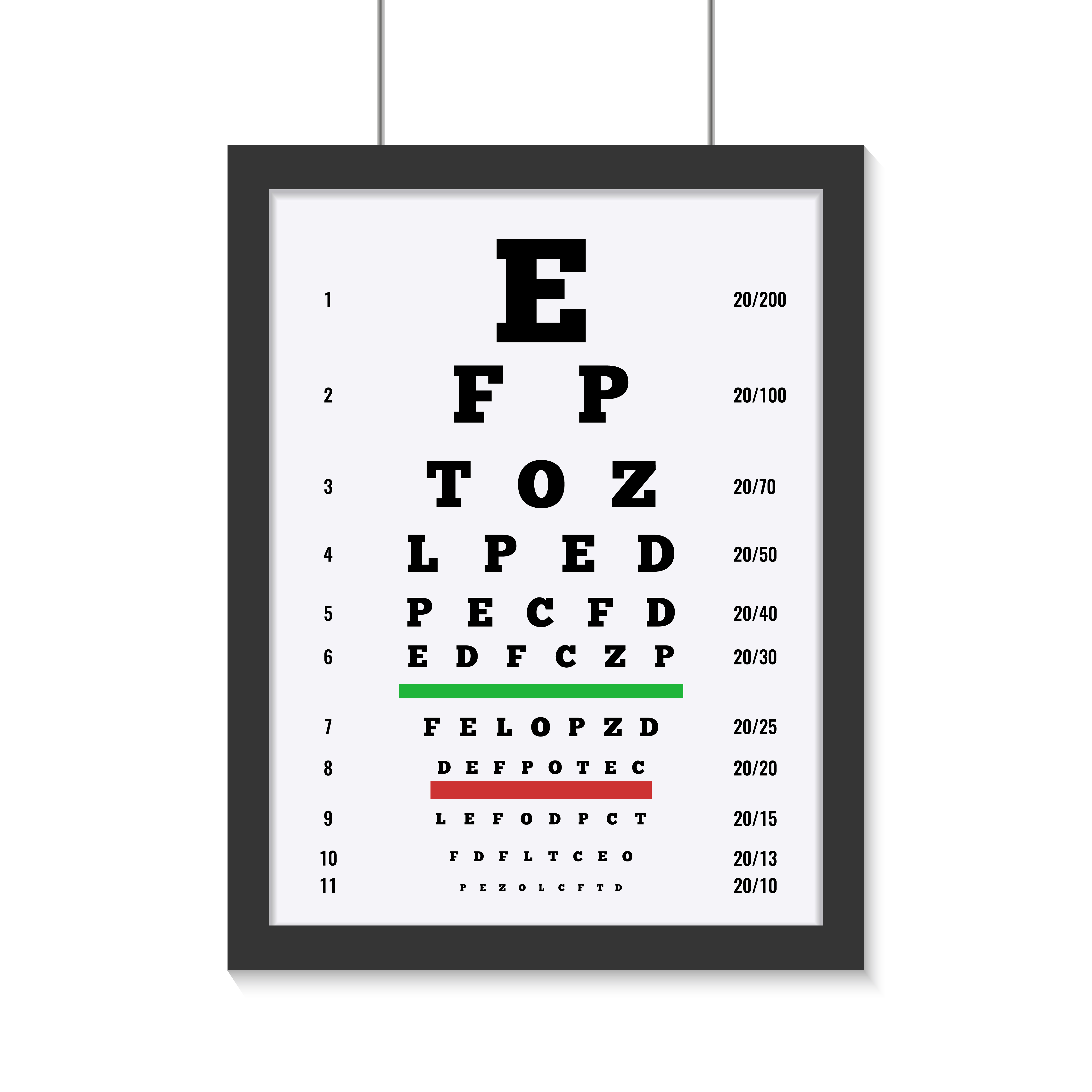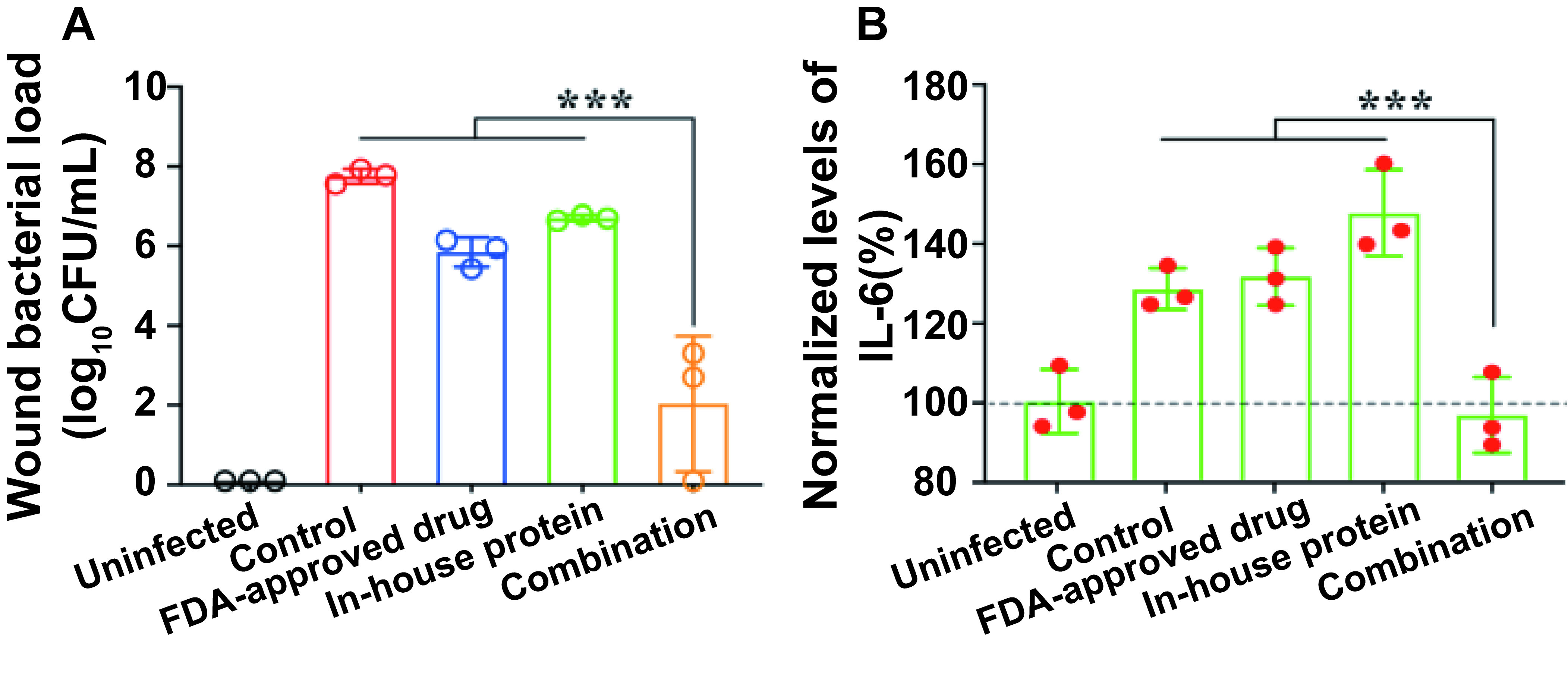
To develop a data analytics platform that can predict myopia progression and recommend early, personalized treatment based on novel measurements of eye structure and function. The project will advance two technology areas: 1) clinical testing and deployment of a platform that uses well established measurements of ocular biometry in a novel predictive algorithm to provide personalized myopia treatment recommendations; 2) the development of novel structural and functional measures of the eye that will enable more precise prediction of myopia progression.

Myopia is a significant vision health issue, with an estimated 50% of the global population expected to be affected by 2025. About 20% of those with myopia will develop high myopia. By 2050, high myopia is projected to affect 1 billion people, placing major stress on economies and healthcare systems. Early and accurate prediction of high myopia progression could enable targeted treatments to preserve sight.
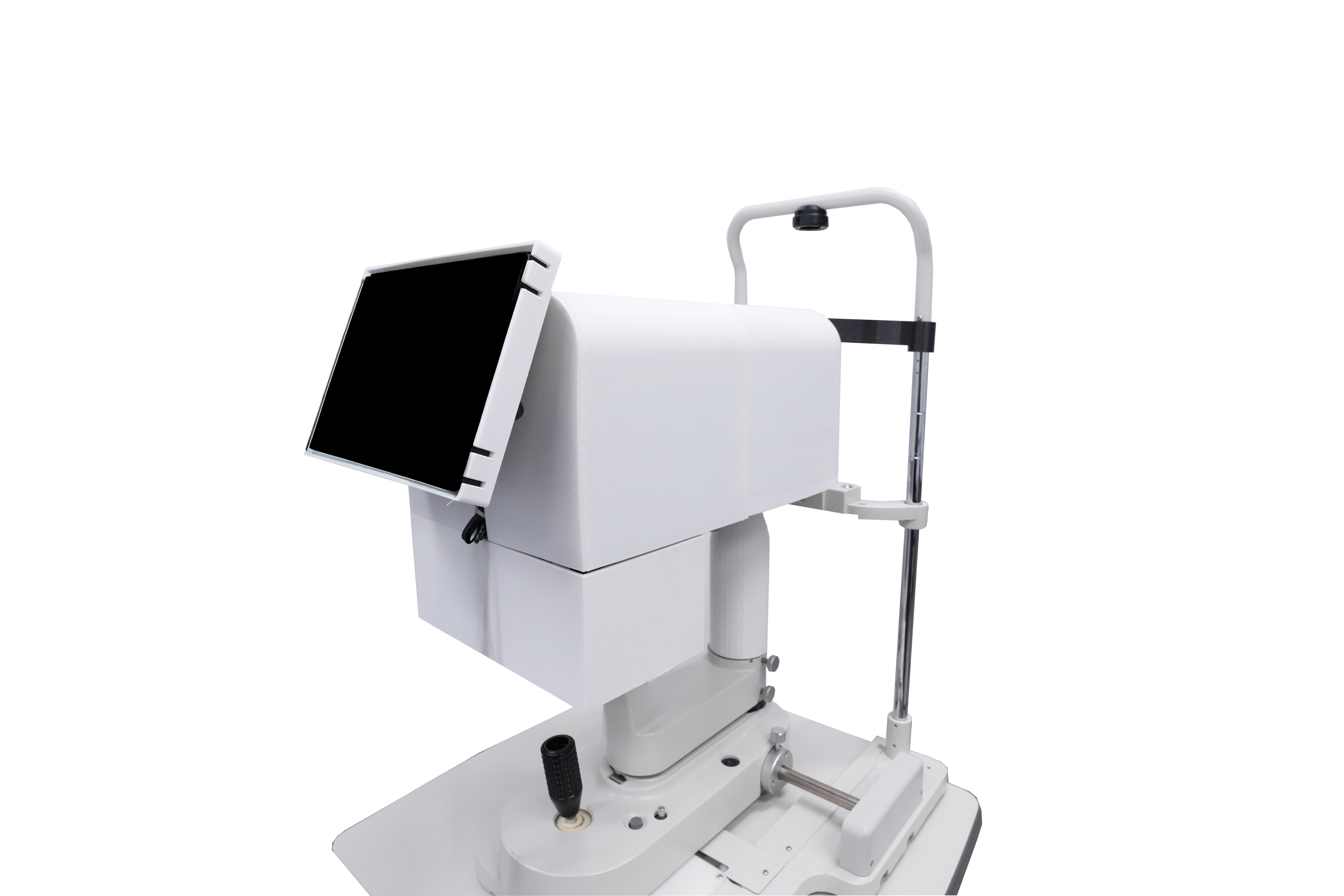
The first phase focuses on the development and clinical validation of a Digital Myopia Control (d.MC™) platform that incorporates patented predictive algorithms based on ocular biometrics for monitoring eye growth, offering a novel approach to managing myopia. The d.MC™ platform aims to provide personalized treatment plans to slow down the progression of myopia, thereby reducing the risk of severe ocular complications. In parallel to the predictive algorithm, a novel dual technology of using both OCT+ERG will be developed to monitor progressive changes in retinal cellular structure, function, and vasculature during different stages of myopia development. The combination of OCT+ERG technologies into a single tool can provide eye care practitioners with a comprehensive approach to examining the progression of myopia and the effectiveness of novel treatment approaches.
The potential beneficiaries encompass all children at risk of developing myopia. The prediction of myopia progression through OCT+ERG measurement represents the sole current objective method for assessing retinal activity associated with myopia progression. The combination of OCT+ERG technologies can provide a more comprehensive approach to examining the progression of juvenile myopia and the effectiveness of novel treatment approaches.
Identify individuals at risk of high myopia-related retinal degeneration, allowing appropriate early intervention to halt or slow myopia progression. This approach will allow comprehensive myopia management to offer a personalized approach to treatment. Consequently, to prevent the onset of severe ocular complications, such as retinal detachment, macular degeneration, cataracts, and glaucoma, preserving the vision of individuals with myopia and enhancing their quality of life.